
Victoria City Council Urges Transport Canada to Review Headlight Brightness Standards
Liam O'Connell
2/9/20262 min read

Victoria city council is adding its voice to mounting concerns over the brightness of modern vehicle headlights, urging Transport Canada to review national safety standards amid warnings from experts that high-intensity LED lights can pose a risk to road safety.
The issue has gained renewed attention following a recent motion passed by council calling for federal action on vehicle design standards, including headlight brightness and truck hood height. Vancouver city council passed a similar motion earlier this year.
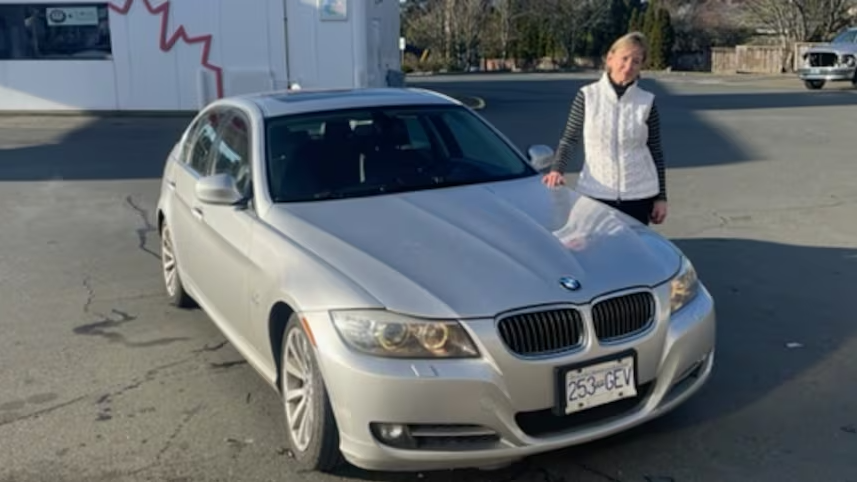
For Michelle Desreux, the issue is personal.
Driving home along an unlit road in Saanich one evening in late December, the 70-year-old crested a hill and was suddenly met with the glare of bright LED headlights from an oncoming truck. The light made it difficult for her to see the road, the shoulder, or the position of the approaching vehicle.
“I was trying to avoid a collision and ended up having one with a rock instead,” she said.
Desreux avoided hitting the truck but struck a rock she hadn’t been able to see. The impact damaged two tire rims and the vehicle’s control arm. A mechanic later told her the repairs would exceed the car’s value.
“If not for the headlights, my car would still be on the road,” she said.
Concerns about excessive headlight brightness — often referred to as “discomfort glare” — have been growing across British Columbia. Supporters of stricter standards argue that even when drivers are not fully blinded, intense glare can reduce confidence, slow reaction times, and increase the risk of accidents.
Victoria city councillor David Thompson, who brought forward the motion, said existing research supports the need for updated regulations.
“There’s enough literature out there to suggest changes are needed,” Thompson said. “We want to prompt action and let the experts determine the best path forward.”
Vehicle lighting researcher Daniel Stern, editor-in-chief of Driving Vision News, said discomfort glare can create safety issues even when a driver’s vision is technically still functional.
“If a driver feels like they can’t see properly, that’s a safety problem,” Stern said, noting that the issue affects perception and decision-making on the road.
Stern cautioned that municipal calls for change may not immediately result in federal action, describing headlight glare as a broader societal issue that often takes time to gain political momentum.
“It’s a problem like air pollution,” he said. “Nothing really happens until the political will is there.”
Desreux hopes that growing public awareness will eventually lead to safer standards. Her concerns predate her own accident. Three years ago, she wrote to the federal transport minister urging tighter controls on headlight illumination.
“I hoped this issue wouldn’t remain in the dark,” she wrote at the time.
For Desreux, any changes may come too late. Her 2009 BMW has been deemed a write-off, and she will receive a settlement through her insurance provider.
“The fact that this ended up being the demise of my great little car,” she said, “how ironic is that?”
News
Stay updated with the latest BC news stories, subscribe to our newsletter today.
SUBSCRIBE
© 2026 Innovatory Labs Inc. All rights reserved.
LINKS