
‘Very unique’: Killer whales spotted belly-rubbing along B.C.’s Sunshine Coast
Noah Chen
1/6/20262 min read
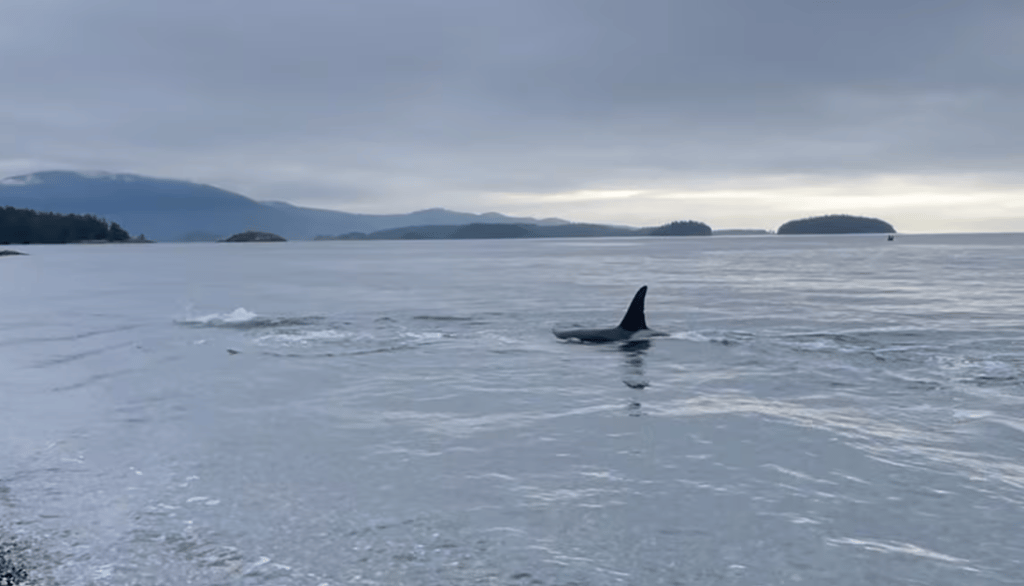
Beachgoers on British Columbia’s Sunshine Coast were treated to a rare wildlife spectacle earlier this month when a pod of killer whales swam close to shore and began rubbing their bellies on rocks just off the beach.
Ryan Chilibeck, who lives in Gibsons, rushed to Secret Beach Park on Jan. 2 after hearing reports that orcas were passing through the area.
“I just happened to be in the right place at the right time,” Chilibeck said. “It was absolutely incredible to watch.”
Witnesses say the whales swam slowly back and forth along the shoreline for about 20 minutes, coming within just a few metres of land as people stood quietly on the beach, taking in the moment.
The whales were identified as northern resident killer whales from the A5 pod, which includes three closely related family groups. According to Jared Towers, executive director of Bay Cetology, the behaviour is both rare and highly specialized.
“Among all killer whale populations around the world, only a couple have ever been documented doing this,” Towers said. “It’s very unique.”
The practice, often referred to as “belly rubbing,” involves whales deliberately positioning themselves over smooth, rounded pebbles near shore. The stones must be just right, and the locations are typically known only to specific pods that return to them repeatedly.
“These whales know exactly where these beaches are,” Towers explained. “They’re the only ones that use them.”
Scientists believe the behaviour feels good for the whales and may help with skin care. Killer whales constantly shed their outer skin, and rubbing against smooth rocks may help speed up the exfoliation process.
“Killer whale skin is very active,” Towers said. “This kind of contact may help remove dead skin more efficiently.”
The sighting quickly spread through local social media groups dedicated to sharing whale sightings, allowing more residents to gather and witness the event.
Chilibeck said seeing the whales up close left a lasting impression.
“You don’t really understand how massive they are until they’re right there in front of you,” he said. “It’s a once-in-a-lifetime experience.”
Among the whales spotted was an adult male known as Surge, also identified as A61, believed to have been born in 1994, according to Fisheries and Oceans Canada.
For long-time residents, the encounter was another reminder of the unique marine life that frequents the Sunshine Coast — and of the importance of protecting habitats that allow such rare behaviours to continue.
“Moments like this bring people together,” said Glenda Sewards, who helps run a local whale-sightings group. “Everyone deserves a chance to see these incredible animals when they pass through our waters.”
News
Stay updated with the latest BC news stories, subscribe to our newsletter today.
SUBSCRIBE
© 2026 Innovatory Labs Inc. All rights reserved.
LINKS