
Vancouver Island First Nations say Ottawa failed to consult before opening krill fishery
Emma MacLeod
1/7/20262 min read
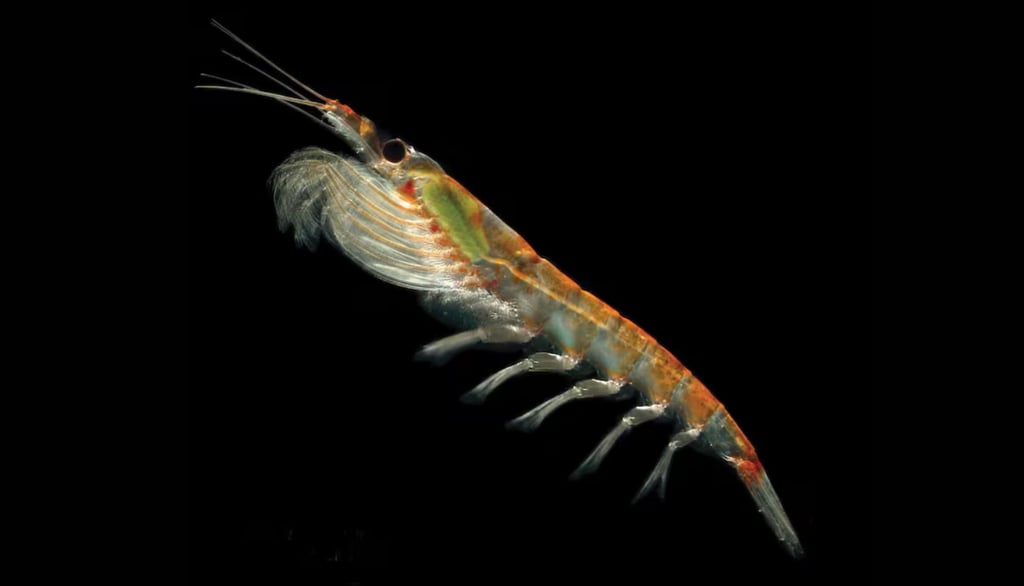
First Nations on northern Vancouver Island are criticizing the Department of Fisheries and Oceans (DFO) for what they say was inadequate consultation before the opening of a commercial krill fishery in coastal inlet waters they describe as ecologically fragile.
Hereditary Chief T̕łaḵwagila David Mungo Knox of the Fort Rupert First Nation, also known as the Kwakiutl First Nation, says coastal Indigenous nations should be involved in fisheries management decisions before commercial activity is approved.
“I’m advocating for smaller nations that don’t always have a voice,” Knox said. “When it comes to stewardship, we know these waters and how to maintain them — but DFO doesn’t come to the table with us.”
The commercial krill fishery opened on Jan. 5 and is scheduled to run until March 31, or until quotas are reached. Areas open to fishing include Knight Inlet, Bute Inlet and Jervis Inlet.
Krill are small, shrimp-like crustaceans that play a critical role in marine ecosystems, forming a key food source for fish, birds and marine mammals.
Knox said he is concerned about bycatch — the unintended capture of other species — associated with trawling methods used to harvest krill. He warned that species such as ooligan (also known as eulachon or candlefish) and herring could be affected, both of which are culturally and ecologically vital to coastal First Nations.
He also raised concerns about the overall impact of harvesting krill, which are considered a keystone species.
“They sustain the entire food web,” Knox said. “We need collective discussions about stewardship and the health of our ocean before these fisheries open.”
While commercial krill fishing has occurred in these waters in the past, Knox pointed to the U.S. ban on commercial krill fishing introduced in 2009 off the coasts of Washington, Oregon and California as a cautionary example.
DFO response
In a written statement, DFO said the krill (euphausiids) fishery is managed under a multi-year plan covering 2023 to 2027 and follows a precautionary approach.
“The fishery is managed using area-based quotas, seasonal openings and a total allowable catch of 500 tonnes,” the department said. “Catch limits are set at less than one per cent of estimated biomass to ensure sustainability.”
DFO added that it consults with First Nations, industry and other stakeholders, and that gear restrictions and reporting requirements are in place to reduce and track bycatch. Vessel operators are required to record all bycatch, which is monitored at dockside.
Commercially harvested krill are used for food, sport-fishing bait, aquarium feed and as feed for farmed fish.
Calls for more dialogue
Dallas Smith, president of the Nanwakolas Council, which represents several First Nations on northern Vancouver Island, echoed calls for greater transparency and consultation.
“All fisheries need more open and transparent regulation,” Smith said. “Krill fisheries are another example of activities that could be contributing to pressures on wild Pacific salmon without enough scrutiny.”
Smith, who also speaks for the Coalition of First Nations for Finfish Stewardship, emphasized that he is not opposed to krill fishing itself, but rather to the process surrounding it.
“It’s the lack of process that’s most concerning,” he said. “We hope DFO begins these discussions with First Nations before fishery openings, not after.”
Both Knox and Smith say meaningful, nation-to-nation dialogue is essential to protect keystone species and ensure long-term ocean health along the B.C. coast.
News
Stay updated with the latest BC news stories, subscribe to our newsletter today.
SUBSCRIBE
© 2026 Innovatory Labs Inc. All rights reserved.
LINKS