
Unhoused people left without shelter in freezing temperatures in Trail, B.C.
Sarah Desjardins
1/30/20262 min read
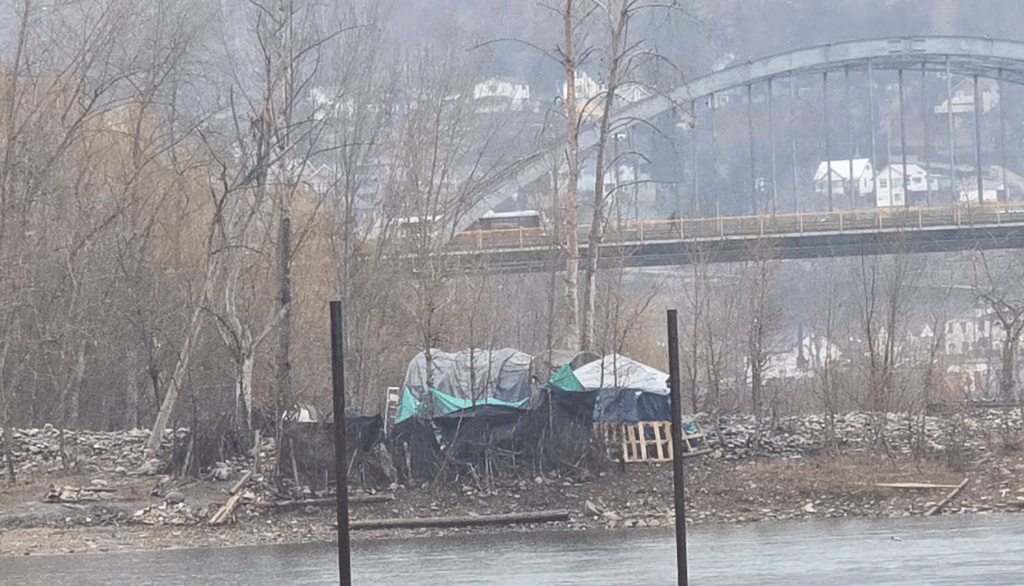
People experiencing unsheltered homelessness in Trail, B.C., were left without overnight shelter during freezing temperatures last week after the city’s emergency weather response site was barred from opening for failing to meet provincial building code requirements.
The B.C. Coroners Service confirmed that at least one person died while sheltering outdoors when temperatures dropped below zero in the Kootenay community, located about 400 kilometres east of Vancouver.
Trail Mayor Colleen Jones said the city has operated an emergency overnight shelter in the basement of the local United Church for the past two winters whenever temperatures fall below –10 C.
“We’re in crisis mode right now,” Jones said. “We have a housing crisis and a toxic drug supply on our streets.”
Last weekend, Interior Health issued a toxic drug overdose alert for the Trail area after the veterinary tranquilizer medetomidine was detected in the local drug supply.
Jones said this winter, a joint inspection by the local fire department and the Regional District of Kootenay Boundary determined the church basement did not meet B.C. Building Code requirements because it lacks an indoor sprinkler system. An alternative emergency shelter space in a gymnasium was also ruled unsuitable for the same reason.
“We’ve got old buildings,” Jones said. “We don’t have brand-new facilities where you can just flip a switch and have sprinklers.”
The mayor has written to the provincial government asking for support and an exemption that would allow emergency overnight shelters to operate during extreme weather without requiring costly renovations.
“It’s inhumane to expect people to stay awake all night in the cold,” she said.
Mark Anderson, chief administrative officer with the Regional District of Kootenay Boundary, said the city is permitted to use the church basement and gym as warming sites under the building code — but only if people do not sleep inside.
In a statement, the provincial government said the B.C. Building Code provides flexibility for temporary activities such as emergency sheltering in buildings not originally designed for that purpose, and is not meant to apply unless there is a permanent change in how a building is used.
Anderson said city council could choose to reopen the emergency shelter despite the ruling, but warned doing so could expose the city to significant liability. He added the district is working with Trail officials to identify a compliant space before the next cold snap.
Resident says sister died outdoors
Trail resident Melissa Boisvenu said her boyfriend’s sister, Roxanne Rizzotti, was found dead in her tent near the Columbia River on Monday morning.
“She was found frozen,” Boisvenu said.
The coroner confirmed that a woman died outdoors on Monday and said no criminality is suspected. The official cause of death has not yet been released.
“We knew this cold snap was coming,” Boisvenu said. “There was nowhere for them to go.”
Boisvenu described Rizzotti as kind and loving, but said she struggled with substance use disorder. She said Roxanne often had difficulty staying in long-term shelters because she would leave to use drugs and lose her bed when she returned.
She added that fentanyl and other opioids can dull the body’s response to cold, making people who use them particularly vulnerable to hypothermia.
“They need places they can go without barriers,” Boisvenu said. “Otherwise, people are going to keep dying out there.”
Boisvenu and her partner say Roxanne’s death highlights the need for more emergency shelter options in smaller communities — especially during extreme weather — and for expanded treatment and support services for people living with addiction.
News
Stay updated with the latest BC news stories, subscribe to our newsletter today.
SUBSCRIBE
© 2026 Innovatory Labs Inc. All rights reserved.
LINKS