
Two Texada Island Residents Fined After Failing to Report Killing of Grizzly Bear
Subhadarshi Tripathy
2/6/20262 min read
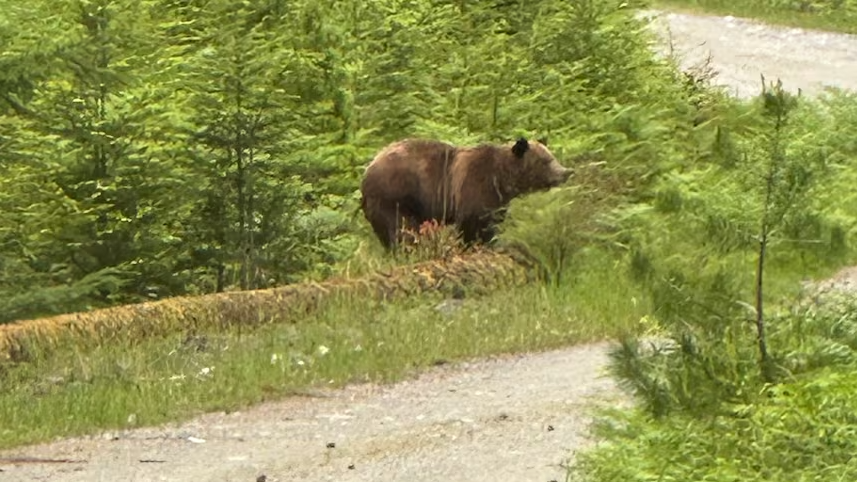
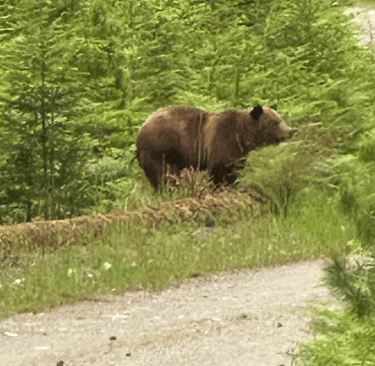
Two Texada Island residents have been convicted and fined after failing to promptly report the killing of a grizzly bear last summer, according to the B.C. Conservation Officer Service (COS).
In a statement released Thursday, conservation officers said Kody Bevan and Seneca Anthony were each fined $3,000 after pleading guilty to offences under the Wildlife Act related to the bear’s death in July 2025.
The charges stem from the failure to report the wounding or killing of a grizzly bear, rather than the act of killing itself. Conservation officers said the charges do not specify who shot the animal.
As part of the sentencing, $4,000 of the total fines will be donated to the Habitat Conservation Trust Foundation, which supports wildlife conservation initiatives in British Columbia.
The grizzly bear’s presence on Texada Island sparked weeks of intense debate among residents of the small Gulf Island community, which is home to about 1,000 people and is not accustomed to large predators. Locals had nicknamed the bear “Tex.”
Officials previously confirmed the bear had been relocated twice after being spotted near schools and residential areas in communities along the Sunshine Coast, including Gibsons and Sechelt. After being moved north to Vancouver Bay and later to the far end of Jervis Inlet, the bear returned south and eventually appeared to settle on Texada Island.
In the months leading up to its death, the province documented several incidents involving the bear, including reports that it stalked residents on trails, chased livestock, and followed people for extended distances.
The bear’s killing drew particular criticism after it emerged that local First Nations, in collaboration with the province, had been developing a plan to relocate the animal to a remote coastal area where it would be less likely to return and could live among other grizzly populations.
The death prompted mourning and anger among Indigenous communities, who said the bear should have been given another chance. Conservation officials later acknowledged that misinformation and heightened tensions on social media contributed to the polarized response surrounding the animal.
The case has renewed debate about wildlife management, public safety, and coexistence with large predators in regions where they are not traditionally found.
Conservation officers say they continue to emphasize the legal requirement to immediately report the injury or death of protected wildlife, regardless of the circumstances.
News
Stay updated with the latest BC news stories, subscribe to our newsletter today.
SUBSCRIBE
© 2026 Innovatory Labs Inc. All rights reserved.
LINKS