
Trump’s Wood Imports Probe Raises Fears of More Tariffs for B.C.’s Softwood Sector
Noah Chen
8/25/20252 min read
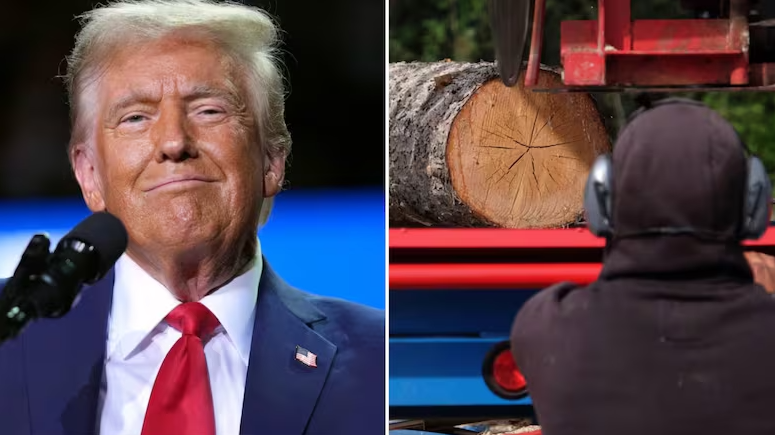
British Columbia’s forestry sector is bracing for potential new tariffs from the United States as President Donald Trump reviews a national security probe into imported wood products.
The Section 232 investigation — launched in March — is examining whether timber, lumber, and related products pose a risk to U.S. national security. The outcome could impose further tariffs on Canadian wood, which experts warn would be devastating for B.C.’s softwood lumber industry, already burdened by a 35% duty.
“Lumber is just one of many sectors that could get impacted,” said Russ Taylor, a forestry consultant. “Very clearly, this is a broad-based approach … to put the chokehold on Canada.”
Why It Matters
The U.S. is B.C.’s largest softwood lumber market, accounting for more than two-thirds of exports from the $10-billion industry. But B.C. has already lost thousands of jobs amid a wave of mill closures. Major forestry companies are shifting investment to U.S. operations, where tariffs don’t apply.
Taylor estimates Canadian producers supply about 22–24% of U.S. consumption, a gap American mills can’t fully replace. That shortfall, he said, will drive up costs for U.S. homebuilders.
“The U.S. mills will be very happy to raise their price … because that’s just free money in the short term for them,” he said.
Political Context
Trump has previously used Section 232 investigations to impose tariffs on steel, aluminum, autos, and copper — measures that hit Canadian industries hard. In July, the U.S. slapped a 50% tariff on imported copper following a similar probe.
B.C. Forests Minister Ravi Parmar said the province believes Trump has already received the wood products report but may be gathering more data. The results are expected this fall.
“It could be just a matter of time that he puts another attack on our forest sector,” Parmar warned.
Tariffs vs. Quotas
Parmar said quotas could also be considered, though Taylor doubts the U.S. would shift away from duties. “I’m not sure what else they would be looking for, except to say we can implement a tariff. Why don’t we?” he said.
Parmar criticized Trump’s approach, saying it would amount to a tax on middle-class Americans trying to build or rebuild homes. “As a man who ran on a mission to stand up for the middle class, he is adding the biggest tax on the middle class ever.”
News
Stay updated with the latest BC news stories, subscribe to our newsletter today.
SUBSCRIBE
© 2026 Innovatory Labs Inc. All rights reserved.
LINKS