
Trade tensions and global markets dominate agenda as resource leaders gather in Prince George
Sarah Desjardins
1/20/20262 min read
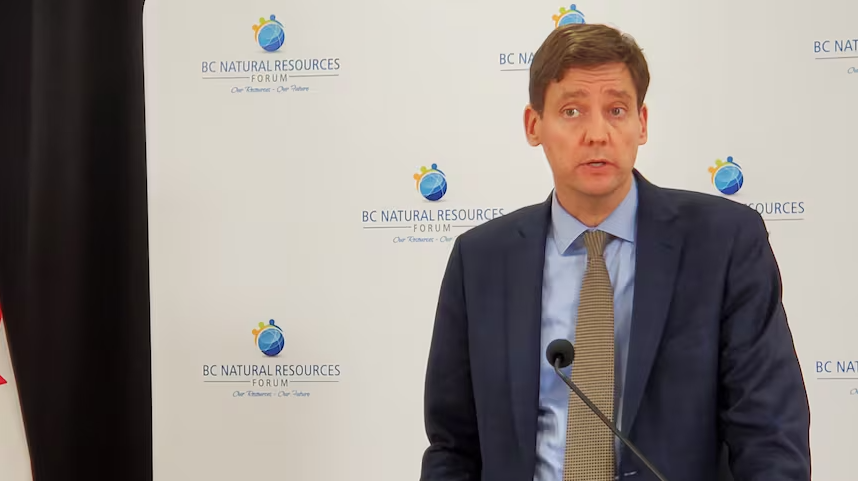
International trade, energy security and major resource projects are front and centre this week as more than 1,600 delegates converge on Prince George for the annual B.C. Natural Resources Forum.
Now in its 23rd year, the forum bills itself as the largest gathering of its kind in western Canada, bringing together leaders from forestry, mining, energy and transportation, alongside First Nations, municipal officials and senior representatives from both provincial and federal governments.
This year’s discussions are taking place against the backdrop of an ongoing trade war with the United States, sharpening the focus on how Canada — and British Columbia in particular — can diversify its trade relationships and build new international markets.
A recurring theme across panels and side events is how to secure political and public support for large-scale projects, especially as governments and industry look beyond the U.S. for export opportunities.
Among the headline speakers is David Eby, who will deliver a keynote address over dinner Tuesday night, shortly after returning from a trade mission to India.
“I think the audience is really interested to hear what he has to say and what we can expect for 2026,” said Sarah Weber, chair of the forum’s advisory committee.
Weber said Eby is expected to touch on his recent India visit, as well as the future of the province’s Declaration on the Rights of Indigenous Peoples Act (DRIPA), which guides how B.C. aligns its laws and decision-making with the United Nations Declaration on the Rights of Indigenous Peoples.
Eby has previously signalled openness to revisiting how the legislation is implemented, arguing that courts may currently play too large a role in determining the fate of major resource projects — a position that has sparked debate among Indigenous leaders, industry and legal experts.
The premier has a history of using the forum to preview major policy directions. In recent years, he has announced a multibillion-dollar expansion of B.C.’s electricity system and raised the possibility of restricting exports of certain critical minerals to the United States.
Also attending this week is Energy Minister Adrian Dix, who is scheduled to appear alongside representatives from BC Hydro and Ksi Lisims LNG for an energy-related announcement tied to northwest B.C.
Weber said this year’s forum has drawn a record number of delegates, including participants from the United States and Australia, as well as chiefs and councillors from a wide range of Indigenous governments.
Those Indigenous leaders, she said, are expected to play a prominent role in discussions about how projects are approved, governed and managed within traditional territories.
“It’s really a gathering place for this sector to get together and talk about the opportunities and challenges as they exist,” Weber said.
News
Stay updated with the latest BC news stories, subscribe to our newsletter today.
SUBSCRIBE
© 2026 Innovatory Labs Inc. All rights reserved.
LINKS