
Spike in Stanley Park Coyote Attacks Linked to Human Habituation, Study Finds
Liam O'Connell
7/9/20263 min read
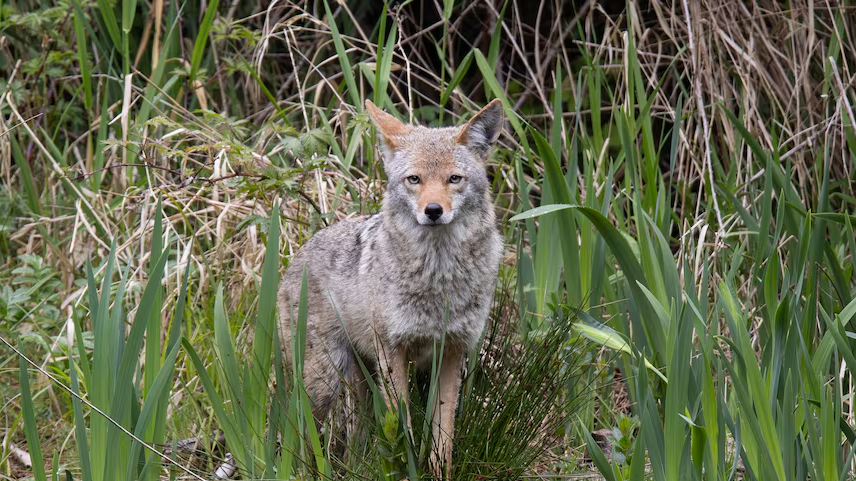
A spike in coyote attacks in Vancouver’s Stanley Park during the COVID-19 pandemic was likely driven by human habituation, according to a new study from researchers at the University of British Columbia.
Between December 2020 and August 2021, there were 45 reported coyote attacks on humans in Stanley Park.
The number of attacks was so unusual that the B.C. Ministry of Forests and the B.C. Conservation Officer Service authorized the culling of 11 coyotes.
UBC zoology doctoral candidate Nathan Lewis said coyote attacks on people are normally extremely rare.
“Coyote attacks are unbelievably rare,” Lewis told Peazzi.
He said the cluster of attacks in Stanley Park was one of the most concentrated and unusual examples of coyote aggression toward people that he is aware of.
“It’s approximately one every six days, which is an incredibly high rate of attacks to be happening in such a small area,” he said.
Researchers Link Aggression to COVID-Era Park Use
Since 2023, Lewis and his research team have been studying why Stanley Park became a hotspot for aggressive coyote encounters.
Their findings, published this week in the scientific journal Animal Behaviour, point to changes in human behaviour during COVID-19 lockdowns.
Lewis said that when indoor social gatherings were restricted, more people began using the park.
That increased contact between people and coyotes, researchers say, was linked to a rise in aggressive encounters.
“These coyotes had become highly habituated to people, which meant that over time, they didn't feel threatened by people in any of those encounters,” Lewis said.
Feeding Wildlife a Major Concern
Lewis said researchers found evidence that people were feeding coyotes more during the period studied.
Feeding wild animals is now banned under a 2024 Vancouver bylaw, which prohibits feeding any wildlife in the city.
Lewis said feeding can cause coyotes to associate humans with food, leading them to approach people more often. In some cases, those encounters can become aggressive.
In September 2021, one day after a two-week culling operation ended, conservation officers arrested two people who allegedly fed coyotes in Stanley Park.
Calls for Better Waste Control and Signage
Wildlife advocates say more can be done to reduce conflict between people and coyotes.
Lesley Fox, from the wildlife conservation group The Fur-Bearers, said garbage cans in the park should be made wildlife-resistant.
She said some containers have been upgraded, but others have not.
However, Dana McDonald, environmental stewardship coordinator with the Vancouver Park Board, said an experiment with wildlife-secure garbage cans showed the existing system was sufficient when garbage is picked up regularly.
McDonald said people can report wildlife feeding through 311, and park rangers will respond when calls come in.
Fox said signage also needs improvement, noting that some signs are vandalized and should be replaced, updated and placed in harder-to-reach locations. She said wildlife safety information should also be available in multiple languages.
Study Says Runners and People Alone May Face Higher Risk
The UBC study found that coyotes became more aggressive in defending their pups as they became more habituated to humans.
Attacks were also more likely near den sites.
Lewis said solo runners were among those at higher risk of aggressive encounters, while people on bicycles or in groups were less likely to be disturbed.
The study recommends keeping visitors away from known den sites when possible, regardless of season, to reduce the risk of defensive aggression.
It also says people should be informed that they face a higher risk of aggressive encounters if they are running, alone or using the park during hours when there are fewer people around.
Advocates Say Coexistence Requires Enforcement
Fox said governments need to take education and enforcement seriously to avoid future culls.
She said killing coyotes does not solve the root causes of wildlife conflict.
“We can't kill our way out of so-called wildlife conflict,” she said.
Fox said education, combined with enforcement of wildlife-feeding rules, is what creates better coexistence between people and animals.
For researchers and wildlife advocates, the Stanley Park attacks show how quickly human behaviour can reshape wildlife behaviour — and how difficult the consequences can be once animals lose their natural fear of people.
News
Stay updated with the latest BC news stories, subscribe to our newsletter today.
SUBSCRIBE
© 2026 Innovatory Labs Inc. All rights reserved.
LINKS