
Skwah First Nation Launches Solar Initiative to Cut Emissions and Power Community
Noah Chen
3/10/20262 min read
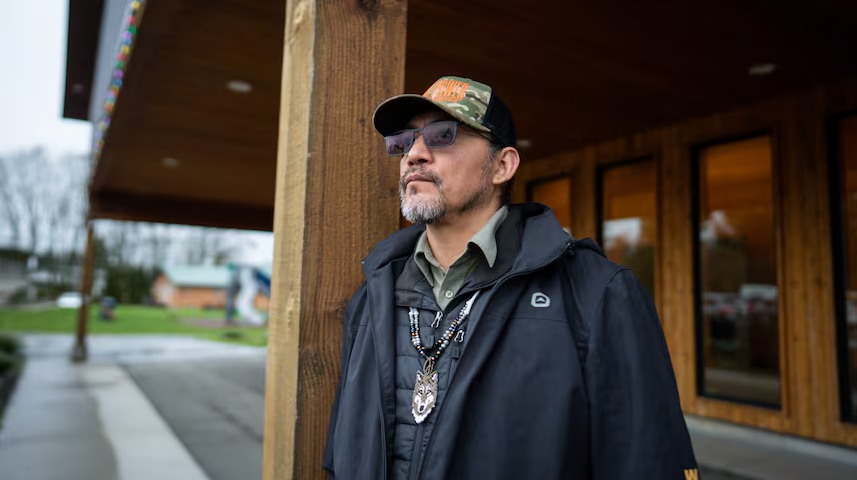
A new solar energy project at Skwah First Nation is helping power community buildings while showcasing how renewable energy can support Indigenous communities and reduce carbon emissions.
The project includes solar panel arrays installed on the roofs of the community hall, administrative offices and a preschool building.
Community energy champion Slade Williams said the goal is not only to lower energy costs but also to demonstrate how clean energy can work at the community level.
“It is great that everybody who drives into our community or even near our community can see the solar,” Williams said.
Three-year project focused on sustainability
The initiative took about three years to complete and is designed to help reduce the community’s reliance on grid electricity while lowering greenhouse gas emissions.
Because the First Nation is connected to the provincial power grid, the solar system operates under a self-generation model. Electricity produced by the panels helps offset the amount of power the community draws from the grid.
Williams said the project also sends a message about environmental responsibility.
“We want to show others in the Fraser Valley and the Stó:lō territory that this is the way to be,” he said.
Strong demand for solar programs
The project comes amid growing interest in renewable energy projects across Indigenous communities in British Columbia.
BC Hydro introduced a rebate program for solar installations in Indigenous communities in July 2024, but demand was so strong the program was paused by December.
Utility spokesperson Susie Rieder said hundreds of applications were submitted within the first six months.
“We received applications from nations all across the province,” she said.
While the Indigenous-specific rebate is currently paused, communities can still apply through BC Hydro’s broader solar and battery incentive programs.
Diesel still common in remote areas
Although Skwah First Nation can connect to the provincial grid, many remote communities across Canada still rely heavily on diesel for electricity generation.
Heather Exner-Pirot from the Macdonald-Laurier Institute said diesel remains widely used because it is reliable and versatile, despite environmental and cost concerns.
“It can be very expensive, dirty and noisy,” she said, noting that many communities want to reduce their dependence on the fuel.
However, transitioning to renewable energy systems can be challenging, especially due to the upfront costs.
Williams said financing renewable projects is often the biggest barrier for remote communities looking to make the shift.
Exploring future energy options
Researchers are working to expand clean energy solutions tailored to different regions of the province.
Naoko Ellis is part of the Accelerating Community Energy Transformation project, a research initiative exploring renewable energy options for communities across B.C.
Possible energy solutions vary depending on geography and available resources.
“There’s solar, wind and biomass — and coastal communities can explore tidal energy or hydropower,” Ellis said. “It really comes down to community-specific solutions.”
Experts say emerging technologies like small modular nuclear reactors could also eventually play a role in powering remote communities, though such systems are still in early development stages.
Growing Indigenous leadership in energy
Ellis said projects like the Skwah solar installation also highlight the growing role of Indigenous communities in leading and owning energy development.
Community-led projects are increasingly seen as a way to balance environmental sustainability, local economic benefits and energy independence.
For Skwah First Nation, the solar panels now visible across the community are more than just a new energy source — they represent a step toward a cleaner and more self-sufficient future.
News
Stay updated with the latest BC news stories, subscribe to our newsletter today.
SUBSCRIBE
© 2026 Innovatory Labs Inc. All rights reserved.
LINKS