
Vancouver Could Save $70 Million by Axing Park Board, City Report Finds — But Political, Legal, and Indigenous Hurdles Loom
Subhadarshi Tripathy, Liam O'Connell, Sarah Desjardins
11/22/20244 min read
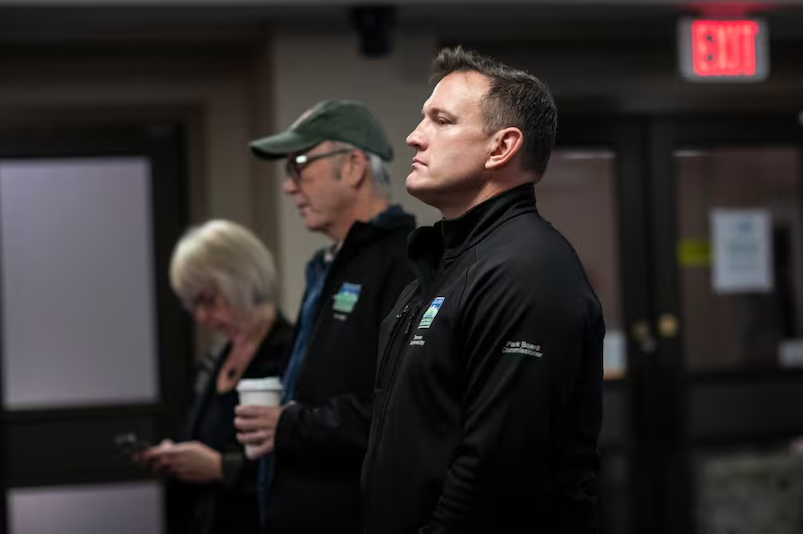
The City of Vancouver says it could save $70 million over the next decade by eliminating its independent Park Board — one of the oldest elected park authorities in North America — and transferring control of the city’s vast park and recreation network directly under city management.
A new Park Board Transition Working Group report, released Thursday, concludes that dissolving the 136-year-old board could deliver long-term savings, reduce bureaucratic gridlock, and allow for more land to be permanently designated as park space. But the findings have reignited a debate about local governance, transparency, and Indigenous consultation — and cast doubt on whether such a move could happen anytime soon.
A 19th-Century Institution Under 21st-Century Scrutiny
Established in 1888, the Vancouver Board of Parks and Recreation currently oversees 256 parks and beaches, along with community centres, swimming pools, sports fields, and public recreation programs.
Under Mayor Ken Sim’s ABC Vancouver administration, city council passed a motion nearly a year ago requesting that the province dissolve the board and amend the Vancouver Charter to bring all park management under the city’s jurisdiction.
Sim has framed the move as a modernization effort aimed at breaking down “inefficiencies” and streamlining decision-making. “This is about more than just governance,” Sim said Thursday at a press conference. “It’s about building a Vancouver that works better for everyone. By eliminating inefficiencies, we can better protect and enhance our cherished parks and recreational spaces.”
$7 Million in Annual Savings — and 36 Hectares of New Parkland
According to the transition report, the city stands to save roughly $7 million per year for the next 10 years if the board is dissolved. The working group — which conducted months of consultations, surveys, and jurisdictional comparisons with other cities — argues that these savings stem from reduced administrative duplication and faster project approvals.
Perhaps most significantly, the report says the city could secure 36 hectares of permanent parkland if the transition occurs, ensuring that public green space is protected from redevelopment or rezoning pressures.
By removing an “added layer of governance,” the report suggests, Vancouver could also reduce “costly delays” that have long plagued park projects — from community centre upgrades to seawall maintenance — which often require overlapping approvals from both the board and city council.
Critics Question Timing and Motives
Not everyone is celebrating the prospect of a $70-million windfall.
Laura Christensen, a current park board commissioner, expressed skepticism over the timing of the report’s release — coinciding with the unveiling of the city’s 2025 draft budget, which includes a 4.5% property tax hike to cover rising service costs and an additional 1% increase for infrastructure renewal.
Christensen accused the Sim administration of undercutting the Park Board’s funding to justify its dissolution. “We’ve been asking for three years for just $900,000 to improve janitorial services in park facilities,” she said in an interview on CBC’s The Early Edition. “That would bring the janitorial budget to a ‘moderately dingy level,’ but the city hasn’t provided it.”
“It wouldn’t totally surprise me,” she added, “if the Park Board was being starved for cash to make the case against its existence.”
Provincial Approval — and Political Reality
Even if Vancouver council votes to move ahead, the province must authorize amendments to the Vancouver Charter to officially dissolve the Park Board — a process Premier David Eby signaled will not be fast-tracked.
“It’s very unlikely this would be a priority for the province before the next municipal election,” Eby told voters during an Oct. 12 all-candidates meeting in Kitsilano–Point Grey. The next municipal election is scheduled for 2026.
That cautious tone was echoed by Ravi Kahlon, B.C.’s minister of housing and municipal affairs, who said Thursday his office had received the report and is “reviewing it carefully,” adding that the government’s main focus remains “the costs of daily life, strengthening health care, and building safe communities.”
Indigenous Consultation: A Constitutional Requirement
Beyond fiscal and political hurdles, the proposal faces another fundamental test — one of Indigenous rights and governance.
Khelsilem, chair of the Squamish Nation Council, took to X (formerly Twitter) shortly after the report’s release, warning that any amendment to the Vancouver Charter must comply with both the B.C. Declaration on the Rights of Indigenous Peoples Act (DRIPA) and Vancouver’s UNDRIP Action Plan.
“This process cannot be rushed,” he wrote. “The Squamish Nation cannot support changes unless they align with UNDRIP principles and protect our title and rights.”
His statement underscores the requirement for formal consultation with local First Nations, including the Musqueam, Squamish, and Tsleil-Waututh, before any major governance change impacting shared territories or public lands.
A City Divided Between Efficiency and Oversight
The debate over the Park Board’s future highlights a broader tension in Vancouver politics: whether efficiency should outweigh independent oversight.
Supporters of the transition argue that the current system — with its elected Park Board operating semi-autonomously from council — leads to bureaucratic bottlenecks, inconsistent priorities, and fragmented accountability.
Opponents counter that the Park Board provides an essential democratic check on city hall, ensuring public input in decisions about cherished public spaces. Eliminating it, they say, would centralize power in the mayor’s office and reduce transparency.
For now, the city’s 2025 budget process looms larger than the future of its park governance. But as the report circulates through provincial offices, the question remains whether Vancouver is truly ready to dismantle one of its longest-standing civic institutions — or whether this century-old guardian of the city’s green heart will endure yet another political storm.
News
Stay updated with the latest BC news stories, subscribe to our newsletter today.
SUBSCRIBE
© 2026 Innovatory Labs Inc. All rights reserved.
LINKS