
Pilot Error Likely Cause of Fatal Training Flight Crash in B.C.’s Fraser Valley: Report
Noah Chen
3/19/20262 min read

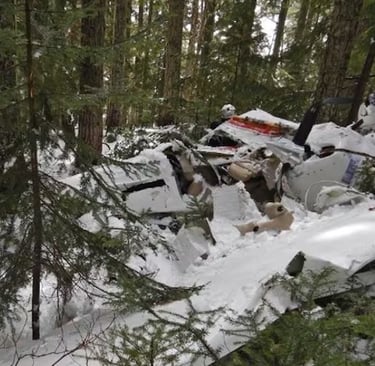
A fatal plane crash in British Columbia’s Fraser Valley last year was likely caused by the pilot failing to follow recommended mountain flying practices, according to a new investigation report.
The findings were released by the Transportation Safety Board of Canada, which examined the April 2025 crash of a small training aircraft near Chilliwack Lake.
The crash claimed the lives of both the flight instructor and the student onboard.
Training flight ended in loss of control
The aircraft — a Cessna operated by Chinook Helicopters — was conducting a training flight in mountainous terrain when the incident occurred.
According to investigators, the plane slowed significantly while attempting a turn within a narrow valley.
During the maneuver, the aircraft’s speed dropped below its stall threshold — the point at which it can no longer maintain lift — leading to a loss of control.
The report also noted that the aircraft’s flaps were not deployed, which could have helped increase lift during the turn.
Deviation from recommended techniques
Investigators found that the pilot did not fully follow best practices for flying in mountainous terrain.
Specifically, the aircraft was not positioned to use the full width of the valley when making the turn. Standard guidance recommends flying along one side of a valley to allow for a wider and safer turning radius.
The report concluded that these factors likely contributed to the aircraft entering a stall during the maneuver.
No mandatory mountain training requirement
The Transportation Safety Board also highlighted that there is currently no regulatory requirement in Canada for pilots to receive specialized training for mountain flying.
However, it emphasized that pilots operating in such environments are responsible for ensuring they are properly prepared for the unique risks involved, including terrain, weather and aircraft performance limitations.
Ongoing safety concerns
Mountain flying presents additional hazards compared to flat terrain, including rapidly changing weather, limited maneuvering space and the risk of aerodynamic stalls during turns.
The report underscores the importance of adhering to established best practices and ensuring adequate training when operating in these conditions.
The investigation did not recommend any immediate regulatory changes, but reinforces longstanding concerns about pilot preparedness in challenging environments.
News
Stay updated with the latest BC news stories, subscribe to our newsletter today.
SUBSCRIBE
© 2026 Innovatory Labs Inc. All rights reserved.
LINKS