
Passenger Drowned After Foot Became Snagged in 2024 B.C. Seaplane Crash, TSB Says
Shraddha Tripathy
6/19/20262 min read
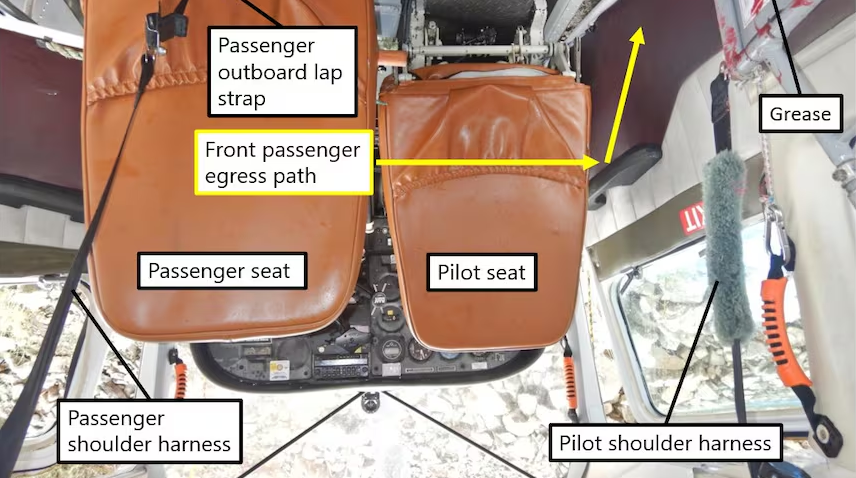
A passenger drowned after his leg became entangled in a seatbelt during a 2024 seaplane crash near Port Hardy, B.C., according to a report from the Transportation Safety Board.
The crash happened on October 2, 2024, as a Cessna seaplane operated by Wilderness Seaplanes was landing near Warner Bay on the mainland.
The aircraft had been flying from Port Hardy, on northern Vancouver Island, to a logging camp. The two passengers on board were part of a helicopter crew travelling to the camp.
The pilot and one passenger were able to escape after the crash, but the second passenger could not get out of the aircraft.
Aircraft Overturned During Landing
According to the TSB report, the seaplane crashed during landing when one of its floats dug into the water, causing the aircraft to veer to the right.
The left wing then struck the water and the aircraft overturned.
The cabin quickly filled with water as the aircraft settled upside down, with only the keels of both floats remaining above the surface.
The pilot and rear passenger escaped through the left door of the inverted cabin.
Passenger’s Leg Became Entangled
Investigators found that the front passenger’s leg became caught in a seatbelt, preventing him from escaping the submerged cabin.
The report says the rear passenger swam down several times to try to free him, while the pilot and people from the camp tried to pull the passenger up by his arms.
As the aircraft continued to sink, rescuers were only able to keep the passenger’s head above water temporarily.
The man drowned before he could be freed.
Glassy Water May Have Contributed
The TSB said glassy-water conditions may have contributed to the crash.
Glassy water can create a mirror-like surface that affects depth perception, making it difficult for pilots to judge an aircraft’s height above the water and forward speed during landing.
Investigators said pilots must recognize those conditions and use the appropriate landing technique.
The report noted that the pilot had more than 20,000 flight hours, including more than 15,000 hours on float-equipped aircraft.
No Aircraft Defects Found
Investigators found no outstanding recorded defects with the aircraft.
The Cessna was manufactured in 1979 and was being maintained under a Transport Canada-approved schedule.
According to the TSB, there were 124 fatal seaplane accidents in Canada between 1990 and 2024.
The report highlights the risks of seaplane operations, particularly when landing conditions make it harder to judge distance, speed and position.
News
Stay updated with the latest BC news stories, subscribe to our newsletter today.
SUBSCRIBE
© 2026 Innovatory Labs Inc. All rights reserved.
LINKS