
New Westminster Introduces Bylaw Requiring Landlords to Keep Apartments Below 26°C
Emma MacLeod
4/2/20262 min read
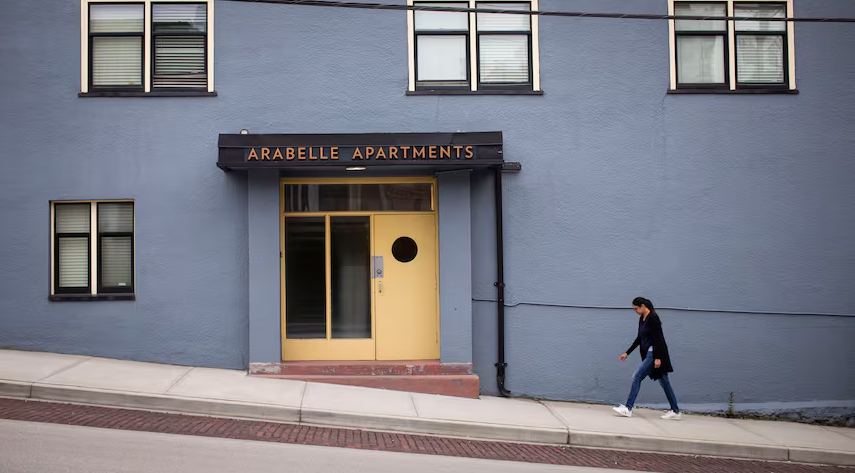
As hotter summers become more frequent, New Westminster is moving to protect renters with a new bylaw aimed at preventing dangerously high indoor temperatures.
City councillors have approved measures that will require landlords to ensure at least one room in a rental unit stays at or below 26°C, measured overnight between 8 p.m. and 8 a.m.
A response to deadly heat events
The bylaw is largely a response to the devastating 2021 heat dome, which led to dozens of deaths in the city — many of them occurring in older rental buildings without adequate cooling.
Coun. Nadine Nakagawa said the changes are necessary as extreme heat becomes more common.
“We know these heat domes are coming,” she said. “The most dangerous place shouldn’t be people’s homes.”
Mayor Patrick Johnstone added that while laws exist to protect tenants from cold, similar protections for extreme heat have been lacking.
What the bylaw requires
Under the proposed rules:
At least one room must remain at or below 26°C overnight
Landlords may face fines of up to $750 for non-compliance
Cooling devices like air conditioners cannot be prohibited
The city also plans to strengthen enforcement by adding staff and increasing inspections of rental buildings.
Support from housing advocates
Tenant advocates have welcomed the move, calling it a significant step forward.
Gary Rodden of B.C. Acorn said the bylaw may be the first in Canada to set a maximum indoor temperature standard.
He emphasized the importance of nighttime cooling, noting that lack of sleep during heat events can pose serious health risks.
Parallel efforts in Vancouver
Meanwhile, nearby Vancouver is taking a different approach by investing in cooling infrastructure.
City council has approved a $500,000 grant to support upgrades in six single-room occupancy (SRO) buildings in the Downtown Eastside.
The project — led by the Downtown Eastside SRO Collaborative Society — will include:
Dedicated cooling rooms
Heat pumps
Water filtration systems
Basic building upgrades
These spaces will also double as warming rooms during winter.
Why it matters
Studies have shown that SRO buildings can become significantly hotter than surrounding areas during heat waves, putting already vulnerable residents at greater risk.
Officials say both cities’ efforts reflect a growing recognition that climate adaptation must include indoor living conditions — especially for renters and low-income populations.
What’s next
New Westminster’s bylaw still requires final approval following consultation and public notice, but councillors have already expressed strong support.
If adopted, it could set a precedent for other municipalities across Canada as they confront the increasing threat of extreme heat.
News
Stay updated with the latest BC news stories, subscribe to our newsletter today.
SUBSCRIBE
© 2026 Innovatory Labs Inc. All rights reserved.
LINKS