
Mild Winter in B.C.’s Interior Forces Ski and Outdoor Businesses to Shift Gears
Subhadarshi Tripathy
2/19/20262 min read
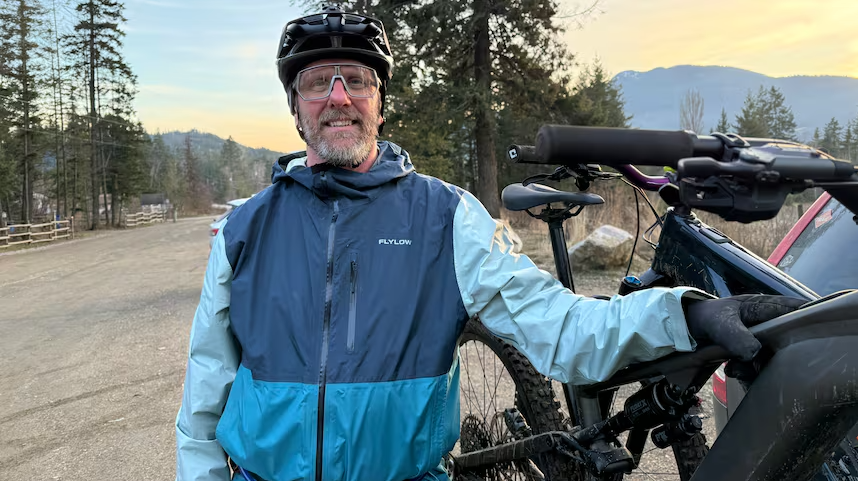
An unseasonably warm and dry winter across B.C.’s Interior is reshaping the region’s outdoor economy, pushing ski-related businesses to adapt months ahead of schedule.
Retailers, coaches, and trail networks say the lack of snow has dampened ski activity while accelerating the start of mountain biking season.
“With less snow, people are a little less interested in getting new ski gear,” said Jim Maybee, manager of Skookum in Salmon Arm. “We’re seeing more bike action and less ski action.”
Maybee said that in nearly three decades living in the region, he cannot recall conditions this favourable for riding in January and February. To keep up with shifting demand, his shop swapped out winter ski inventory for spring bike stock weeks earlier than usual.
“We’ve tried to pivot and refocus on the upcoming bike season — or in this case, the current bike season,” he said.
Warmer and drier than normal
According to Environment and Climate Change Canada, the last 90 days in the Salmon Arm area have averaged about three degrees Celsius above seasonal norms. Precipitation has also fallen short.
Meteorologist Terri Lang said the region typically receives more than 200 millimetres of precipitation during winter months. So far this season, Salmon Arm has recorded less than 150 millimetres.
“It has been above average temperature-wise and below average precipitation,” Lang said. “Warmer and drier.”
While some higher-elevation areas, such as Revelstoke, have received more precipitation, valley-bottom communities across the Interior have experienced mild conditions.
Ski networks close early
The impact has been particularly visible in cross-country ski networks.
Telemark Nordic, near West Kelowna, closed its trails on Feb. 8, stating the season marked the lowest snowfall in its 48-year history. The Overlander Ski Club near Kamloops has also shut down operations due to insufficient snow.
For coaches like Emanuela Bandol, founder of Okanagan Bike and Ski in West Kelowna, the winter has been a balancing act.
Bandol typically spends her winters teaching ski lessons and leading snowy excursions. This year, despite selling numerous gift certificates, she has delivered only a handful of ski sessions.
“I love skiing and coaching skiing, but I can’t go skiing when there’s no snow,” she said after finishing a ride in Rose Valley, where trail conditions were unusually ideal for mid-winter. She noted that flowers were already beginning to bloom.
While she has been able to ride outdoors almost daily, Bandol said the lack of snow has been disappointing for the ski community.
“It’s very unfortunate for people who love skiing like I do,” she said.
Industry adapts
The broader outdoor sector — including ski shops, backcountry guides, and instructors — has had to remain flexible. Bandol has shifted her focus to mountain bike training programs and is preparing to launch bike lessons nearly two months earlier than usual.
The shift highlights how climate variability can ripple through seasonal economies, particularly in regions where winter recreation plays a central role.
For now, bikes are rolling where skis once glided — and businesses across B.C.’s Interior are adjusting to a winter that felt more like early spring.
News
Stay updated with the latest BC news stories, subscribe to our newsletter today.
SUBSCRIBE
© 2026 Innovatory Labs Inc. All rights reserved.
LINKS