
Metro Vancouver Scales Back Sewage Plant Overhaul, Cutting Costs from $10B to $6B
Lucas Tremblay
10/6/20252 min read
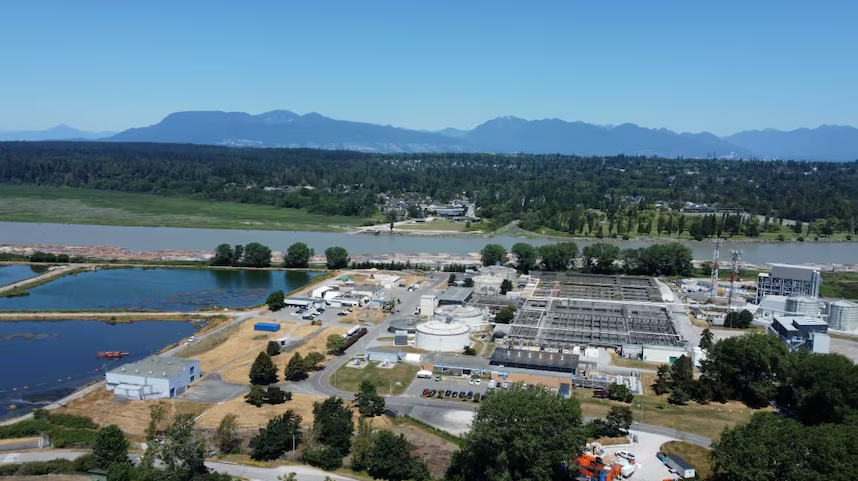
Metro Vancouver is pressing pause on the most expensive infrastructure project in its history — but not without trade-offs.
On Friday, regional directors voted to scale down plans for the Iona Island wastewater treatment plant in Richmond, trimming the project’s price tag from nearly $10 billion to $6 billion. The shift means the 60-year-old facility will be upgraded in phases, rather than completely rebuilt all at once.
The move comes after months of financial debate inside the regional district as construction costs, interest rates, and population forecasts put pressure on capital budgets.
“This is still a huge lift,” said Jerry Dobrovolny, Metro Vancouver’s chief administrative officer. “The phased approach will ultimately cost more, but spreading it out gives us breathing room. The immediate impact of a $10-billion project on our budgets would be just too dramatic.”
The new plan will bring the plant up to secondary-treatment standards, which remove about 90 per cent of pollutants — enough to meet provincial and federal regulations. The Iona plant currently provides only primary treatment, capturing solids but leaving much of the dissolved waste in the outflow that empties into the Fraser River estuary.
Built in 1963, the facility serves roughly 750,000 residents, including most of Vancouver and parts of Burnaby and Richmond.
Flexible design for future growth
Metro Vancouver will use membrane bioreactor technology, a modular system that allows new treatment cells to be added or delayed depending on demand. “If population growth speeds up, we add more cells,” Dobrovolny said. “If it slows down, we can hold off and save.”
Staff expect construction to continue through 2039.
Who pays — and how much?
Richmond Mayor Malcolm Brodie, who chairs Metro’s liquid waste committee, said the upgrade isn’t optional. “This is fundamental infrastructure — you need sewage treatment,” he said. “The lower initial cost makes it more palatable for taxpayers, especially in Vancouver, which carries the heaviest share.”
Funding remains uncertain. So far, the federal and provincial governments have each pledged $250 million, but regional officials are calling for a much larger contribution. Burnaby Mayor Mike Hurley, the Metro board chair, said the goal is a three-way cost split between Metro Vancouver and the two senior governments.
“We’re expecting that equal partnership to continue,” Hurley said.
Even with the scaled-down plan, officials warned the region’s ratepayers will still feel the pinch. But for now, the decision delays the worst of the sticker shock — buying time for a region caught between rising costs and the need to keep its most basic infrastructure running.
News
Stay updated with the latest BC news stories, subscribe to our newsletter today.
SUBSCRIBE
© 2026 Innovatory Labs Inc. All rights reserved.
LINKS