
Metro Vancouver mayors outraged over bill restricting municipal peer reviews of development applications
Emma MacLeod
11/14/20252 min read

A proposed provincial bill has sparked a wave of anger among Metro Vancouver mayors, who say it would strip municipalities of their ability to independently scrutinize development applications — and push more control over housing approvals into provincial hands.
The Professional Reliance Act, introduced by NDP MLA George Anderson, would require municipalities to accept technical submissions certified by professionals governed under the Professional Governance Act (PGA). Unless a submission is incomplete, cities would be prohibited from conducting peer reviews, a common municipal practice to catch errors, assess risks and ensure compliance with local bylaws.
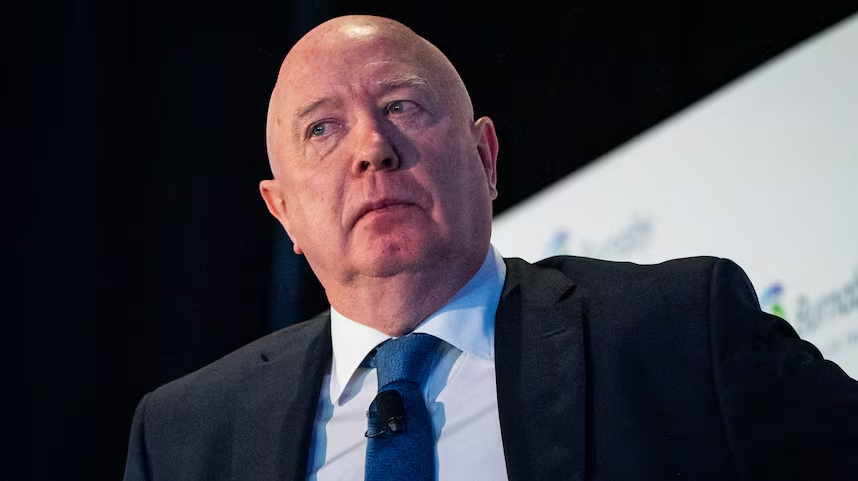
Burnaby Mayor Mike Hurley, speaking at a recent mayors’ committee meeting, called it a clear case of provincial intrusion.
“It’s more overreach by the provincial government into our jurisdiction,” he said.
The province has increasingly used legislative powers to shape local housing decisions in recent years. This bill, mayors say, goes a step further by weakening cities’ ability to thoroughly evaluate large and sometimes complex development proposals.
Mayors say bill threatens safety and autonomy
Delta Mayor George Harvie was especially blunt, saying peer reviews are essential and not merely bureaucratic hurdles.
“It’s amazing how many times we’ve had to go back and make sure the professional didn’t miss problems or hazards,” he said.
He warned that if the bill passes as written, cities may be forced to “beg for permission” from the province any time they want to double-check a professional’s work.
Coquitlam Mayor Richard Stewart said the bill represents the latest step in what he sees as a “continued erosion” of municipal independence.
“The idea that the province will continue to step into someone else’s lane and insert their wisdom is abhorrent to me — and we ought to scream loudly.”
Langley Township Mayor Eric Woodward questioned why the bill is being introduced as a private member’s bill, suggesting it may be a tactic to avoid the deeper scrutiny typically applied to government legislation.
MLA behind bill says it will speed up housing
MLA George Anderson, who proposed the legislation, says municipalities are performing redundant checks on work that registered engineers, architects and geoscientists have already certified.
“That means months of delay,” he said. “The most expensive material in construction is delay.”
Anderson argues the bill would reduce approval timelines, cut administrative costs, and shift liability from municipalities to the professionals who sign off on technical documents.
He says he is consulting with groups including:
Union of B.C. Municipalities
Engineers and Geoscientists BC
Development industry stakeholders
The bill is scheduled for second reading on Nov. 17, with further public consultation expected if it proceeds.
Province acknowledges concern but says action is needed
Housing and Municipalities Minister Christine Boyle did not endorse the bill outright but said the government welcomes discussion about new ways to accelerate housing delivery.
“I know there is nervousness from local governments about provincial overreach,” she said. “There is also a recognition that the province needs to play a larger role.”
Engineers and Geoscientists B.C. said its primary mandate is public protection and that it will provide detailed input on how the bill could affect professional practice and the provincial oversight system.
If passed, the bill could significantly reshape how local governments manage development — potentially easing construction timelines but raising new questions about safety, accountability and municipal independence.
News
Stay updated with the latest BC news stories, subscribe to our newsletter today.
SUBSCRIBE
© 2026 Innovatory Labs Inc. All rights reserved.
LINKS