
Metro Vancouver falling behind on climate goals as 2030 emissions target drifts out of reach
Shraddha Tripathy
9/16/20251 min read
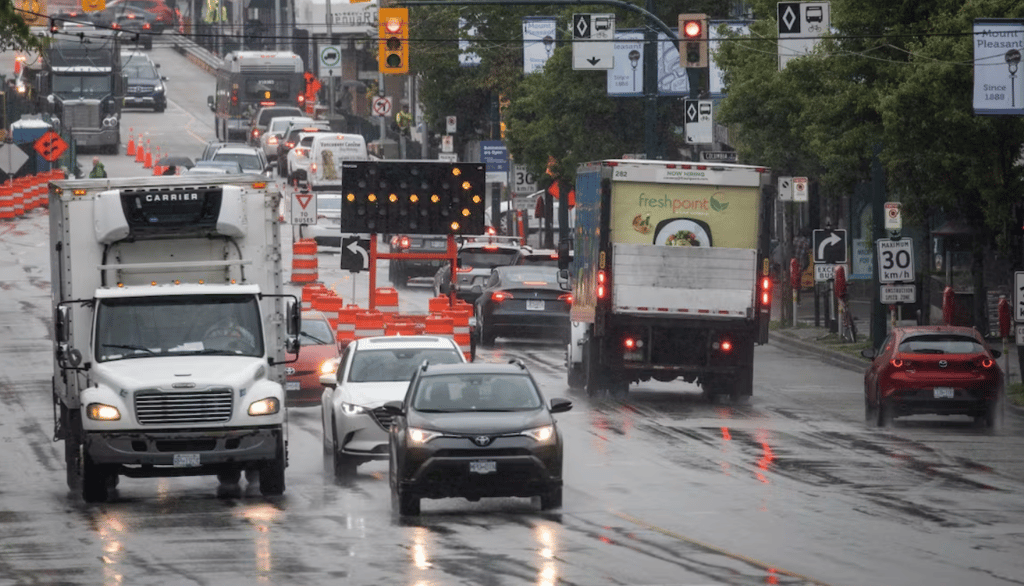
Metro Vancouver is warning that its ambitious climate goals are unlikely to be met.
Rising emissions despite targets
The regional district, which oversees wastewater, parks and climate monitoring for 2.7 million residents, set a 2030 target to reduce greenhouse gas emissions 45% below 2010 levels. But new data show emissions actually climbed 6.8% between 2010 and 2023.
Staff note that per-capita emissions dropped 16% in that time, but population growth of 27% erased those gains. “We would have liked to have seen the reductions happen faster,” said Conor Reynolds, the district’s director of air quality and climate action.
Some progress, but slow
Fossil fuels still dominate transportation and building energy use. While more residents are switching to electric vehicles and heat pumps — with homes using heat pumps up 60% between 2020 and 2025 — barriers to broader adoption remain.
“There’s a lot of effort going into cutting emissions from the biggest sources,” Reynolds said. “It’s starting to pay off, but it takes time.”
Experts urge faster cuts
Simon Fraser University health sciences professor emeritus Tim Takaro called the district’s shortfall “very disappointing.” He compared current strategies to “going around with a mop while leaving the faucet running,” and said governments across Canada are not doing enough to curb fossil fuel dependence.
One major source of growth is “non-road equipment” — construction and industrial machinery — whose emissions have doubled since 2010 as development surged.
Andrew Jorgenson, a sociology professor at UBC, said renewable energy is being added “on top” of fossil fuel use rather than replacing it. “You increase renewable energy by this amount, it should reduce fossil fuel consumption by the proportional amount. And it’s not necessarily happening across different sectors,” he said.
What’s next
Both academics emphasized the need for structural changes that cut fossil fuel use directly, and called for economic growth that is decoupled from emissions. Without sharper action, they warn, Metro Vancouver risks missing its targets while locking in higher emissions for decades to come.
News
Stay updated with the latest BC news stories, subscribe to our newsletter today.
SUBSCRIBE
© 2026 Innovatory Labs Inc. All rights reserved.
LINKS