
Inside the political rift shaping Vancouver’s proposed Filipino Cultural Centre
Noah Chen
12/10/20253 min read
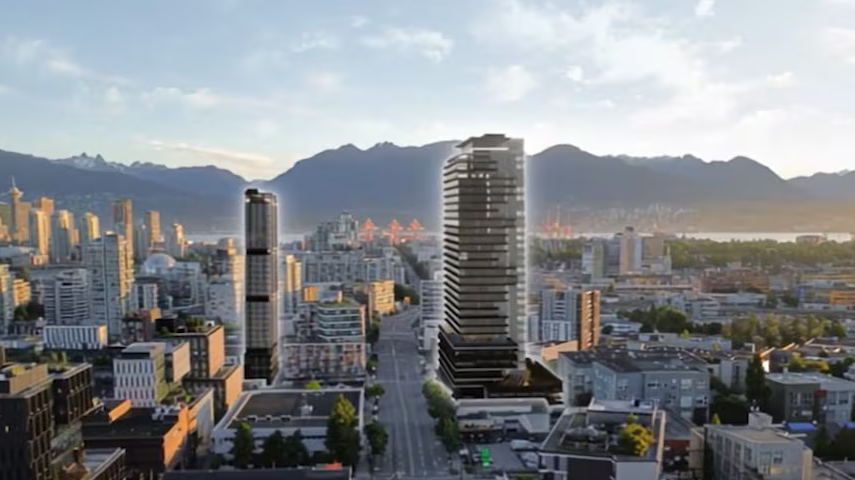
A proposed Filipino Cultural Centre in Vancouver may take a major step forward this week, but deep divisions within the Filipino community over who should lead the project — and how it came to be — have turned the initiative into a highly charged political battle.
Vancouver city council is set to vote on whether to work with the newly formed Filipino Legacy Society to fast-track approval and development of a cultural centre on land at Main Street and East Third Avenue. The property is owned by prominent Filipino developer Tobi Reyes.
The proposal has the backing of Vancouver Mayor Ken Sim and B.C. NDP MLA Mable Elmore, both of whom say the project is ready to move forward and represents a meaningful legacy for the region’s large Filipino population.
But other long-established Filipino organizations, including Filipino B.C. and Mabuhay House, oppose the plan and say they were sidelined after years of advocating for their own cultural centre proposals.
“What’s clear is that everyone wants a cultural centre,” said Filipino B.C. chair RJ Aquino. “But people on each side of this debate are operating with very different understandings of what actually happened.”
A project with political momentum
Supporters of the Filipino Legacy Society proposal argue that this is the only plan that has reached a stage where it can realistically move forward. The land is privately owned, political support is in place, and both provincial and federal governments have signalled interest in funding.
Elmore says the tragic Lapu-Lapu Day festival attack earlier this year — in which 11 people were killed — added urgency to creating a permanent space for healing and community gathering.
“I hope we have a physical space that the Filipino community has wanted and deserves,” Elmore said. “A place that is truly open to everyone.”
Advocates also say the proposal includes a sustainable revenue model through a hotel component planned alongside the cultural centre — something previous proposals struggled to secure.
Financial questions and fractured relationships
Opponents, however, raise serious concerns about both process and transparency.
Reyes, the landowner, previously faced foreclosure action in 2021 from lenders alleging he owed approximately $17 million. The Filipino Legacy Society itself was only incorporated in late August — just days before Reyes filed court documents referencing negotiations with the city and province over the cultural centre.
At the same time, Filipino B.C. says it had maintained quarterly meetings with city officials for years while advancing its own plans — until the relationship with city hall deteriorated following criticism of a proposed benefit concert planned just two months after the Lapu-Lapu tragedy.
Filipino B.C. publicly questioned whether victims’ families had been properly consulted. Shortly afterward, Aquino met with the mayor’s office, where he says the mayor’s chief of staff demanded a public apology.
“We were told to retract our statement and apologize,” Aquino said. “We refused.”
The concert was later postponed, quarterly meetings with city hall ended, and Elmore privately contacted several Filipino B.C. board members warning that relations with the city were at risk. Months later, multiple board members resigned, and shortly after, the city formally backed the Filipino Legacy Society project.
Former Filipino B.C. board member Armor Valor Corrales says community members — especially youth — are watching longtime leaders clash publicly online without fully understanding the political dynamics behind the scenes.
“They just see their aunties, uncles, and elders fighting on Facebook,” he said. “It’s confusing and painful.”
City and province deny political pressure
Both the mayor’s office and Elmore deny that the fallout with Filipino B.C. influenced the city’s endorsement of the new proposal.
The mayor’s chief of staff acknowledged asking for an apology but said Filipino B.C. had made inaccurate claims about consultation. He insists support for the Filipino Legacy Society is based solely on the project’s readiness.
Elmore also says she regularly advises many Filipino groups and that her priority is to see a cultural centre built — regardless of who leads it.
“We’ve considered different options,” she said. “But at some point, a decision has to be made.”
Meanwhile, critics note that recent media coverage has also highlighted Aquino’s past political campaigns with parties opposed to the current mayor, adding another layer of political tension.
Former Filipino B.C. board members who resigned last week re-entered the spotlight by publishing a public letter calling for greater financial transparency within Filipino B.C. — further complicating the public narrative.
A vote with lasting consequences
Wednesday’s council vote will not approve rezoning or guarantee funding, but it would formally place the city behind the Filipino Legacy Society’s proposal, giving it a decisive advantage over other competing visions.
Regardless of the outcome, many fear the rift exposed by this process will take years to heal.
“We don’t hate each other,” Corrales said. “I still consider many of them friends. Christmas is huge in our community, and I hope someday we can all sit at the same table again.”
For now, a project meant to symbolize unity and cultural pride has instead laid bare the fragile balance between politics, community leadership, and collective grief.
News
Stay updated with the latest BC news stories, subscribe to our newsletter today.
SUBSCRIBE
© 2026 Innovatory Labs Inc. All rights reserved.
LINKS