
‘How many more mothers?’: Spike in overdose deaths devastates Campbell River community
Shraddha Tripathy
10/16/20252 min read
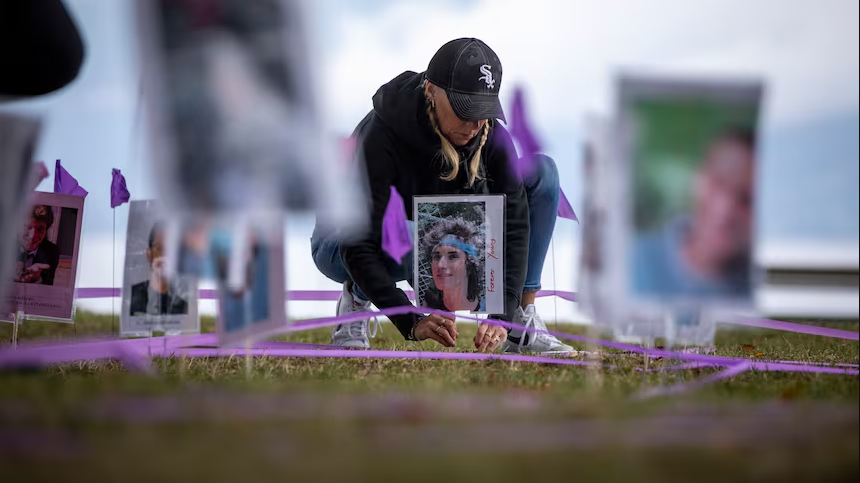
The grief is raw in Campbell River, B.C., where 13 people have died from overdoses in just six and a half weeks — a staggering number for a city of only 35,000.
The deaths prompted the local RCMP to issue a rare public warning earlier this month about a highly toxic batch of street drugs circulating in the community.
For residents, the loss is deeply personal.
“I knew all of them. They’re our friends,” said Anne-Marie Levac, a Campbell River resident who uses crack cocaine. “It’s just heartbreaking.”
According to the B.C. Coroners Service, 21 people had already died in the city by the end of August — but the surge since September brings that total to 34 deaths this year.
The crisis comes even as overdose deaths have been trending downward across the province and much of North America since late 2024.
A city without enough supports
Local health professionals say the wave of deaths reflects a lack of treatment options and the collapse of vital harm reduction services.
“We’ve lost connection pieces like the harm reduction kiosk, safe injection and smoking site, and a warming centre,” said Dr. Jacquie Erikson, a family physician specializing in addiction medicine.
“People are using alone — in tents, in the forest — and dying that way.”
While Campbell River has two harm reduction sites and drug testing services, those seeking to detox or start treatment must travel 150 kilometres south to Nanaimo.
The gap in services is especially stark given the city’s role as a hub for northern Vancouver Island — a place where people from smaller towns come seeking help but often encounter toxic supply instead.
The toll of toxic drugs
Fentanyl remains the leading cause of overdose deaths, but RCMP say the unpredictability of street drugs — with random, dangerous additives — makes every use potentially lethal.
Health authorities are still investigating the recent deaths, but the pattern is painfully familiar to parents like Chantal Costaz, whose 20-year-old son Santos died of an overdose in 2022.
“These people wouldn’t be dead if it weren’t for the toxic drug supply,” she said.
Costaz said Santos had been offered a bed in a treatment facility in Richmond, but she couldn’t get him there in time. He died days later.
Now, she honours his memory by delivering food and clothing to people living on the streets — a gesture she says many others in the city have taken up as formal supports disappear.
“You’d like to think your child’s death would change things,” she said. “But when I heard about all these new deaths, it just brought it all back — how many more mothers will have to go through this?”
A crisis that feels forgotten
Since late 2023, the city and province have created 48 new housing units for people who’ve been homeless long-term. But housing alone, advocates say, won’t stem the crisis.
The B.C. Coroners Service notes that most people who die from overdoses do so in private residences, not on the street — a reminder that this epidemic reaches deep into every community.
Dr. Erikson believes the path forward lies in rebuilding lost services and expanding mental health and addiction care closer to home.
“We can’t treat this like it’s somebody else’s problem,” she said. “We’re losing our neighbours, our friends, our kids. And it’s not slowing down.”
News
Stay updated with the latest BC news stories, subscribe to our newsletter today.
SUBSCRIBE
© 2026 Innovatory Labs Inc. All rights reserved.
LINKS