
How Four Landmark Court Cases Have Advanced Indigenous Rights and Title in B.C.
Olivia Singh
8/29/20251 min read

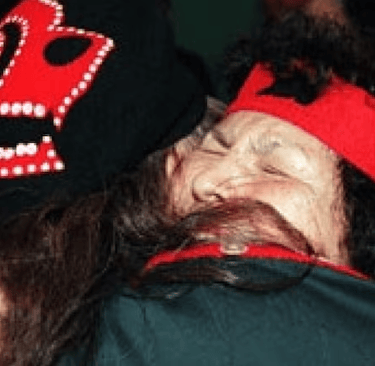
In B.C., Indigenous rights and title battles have been fought for decades through the courts, with several landmark cases reshaping the legal and cultural landscape of the province.
One of the earliest, the Calder case of 1973, recognized that Aboriginal title existed in Canadian law — even though the Nisga’a Nation did not win their claim outright. This decision set the foundation for modern rights and title cases.
The Delgamuukw ruling in 1997, pursued by the Gitxsan and Wet’suwet’en Nations, further advanced Indigenous rights. While the Supreme Court of Canada did not issue a declaration of title, it recognized that Indigenous nations hold rights to the land itself — not just its resources — and established oral history as valid legal evidence.
That landmark decision paved the way for the Tŝilhqot’in ruling in 2014. After a 25-year fight to protect its land from logging, the Tŝilhqot’in Nation became the first in Canada to secure a declaration of Aboriginal title over a specific area outside of reserve lands. The case is studied globally and continues to inspire Indigenous peoples from New Zealand’s Māori to Europe’s Sámi.
This year, the Cowichan Nation became the second to receive a declaration of Aboriginal title, with the B.C. Supreme Court ruling in its favour over land in Richmond where the nation once had a summer village. The ruling, the longest trial in Canadian history at 513 days, has sparked both support and resistance. Some neighbouring nations have voiced concerns, while the province has filed an appeal, citing potential impacts on private property and development.
Despite legal challenges, Indigenous leaders say these cases build on one another, reinforcing their inherent title and encouraging others to fight for recognition. As Tŝilhqot’in Vice Chief Francis Laceese noted: “We bounced off Delgamuukw, Calder and Sparrow — and Cowichan has bounced off us. That’s how change happens.”
Globally, these rulings continue to influence Indigenous rights struggles, underscoring the role of B.C.’s First Nations in reshaping conversations about land, sovereignty, and reconciliation.
News
Stay updated with the latest BC news stories, subscribe to our newsletter today.
SUBSCRIBE
© 2026 Innovatory Labs Inc. All rights reserved.
LINKS