
Gitga’at First Nation voices opposition to major resource projects as prime minister visits Prince Rupert
Olivia Singh
1/13/20262 min read
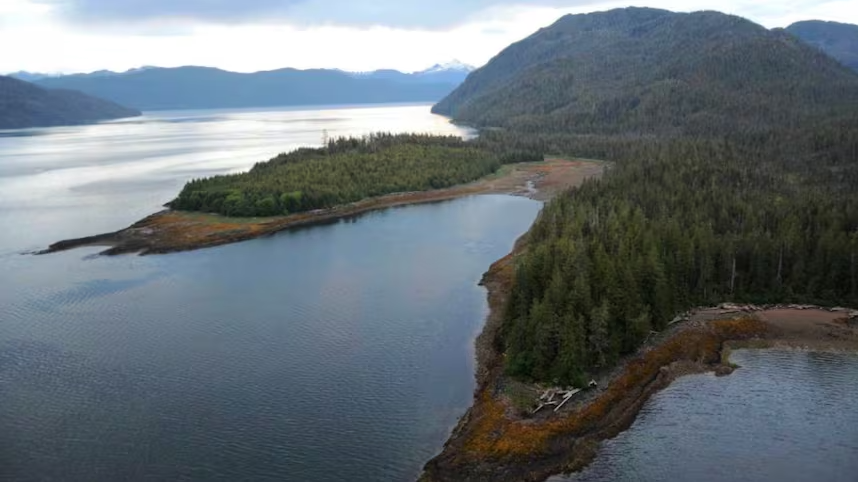
As Mark Carney visits Prince Rupert to meet with Coastal First Nations, at least one First Nation is making clear it does not support major energy projects proposed for British Columbia’s North Coast.
The Gitga'at First Nation says it remains firmly opposed to the construction of an oil pipeline to the coast and to lifting the long-standing oil tanker ban in the region.
A government official said the prime minister’s meeting with Coastal First Nations is intended to discuss projects underway in northern B.C. and explore potential partnerships between the federal government and Indigenous communities.
However, Gitga’at spokesperson Art Sterritt said he hopes the visit will give the prime minister a clearer understanding of the environmental risks tied to oil and gas development in the area.
Sterritt pointed to the ecological sensitivity of the region and said a spill would have devastating consequences for food systems and wildlife within Gitga’at territory.
“We have everything that we need within our traditional territories,” he said, citing salmon, halibut, wildlife and the intact ecosystems of the Great Bear Rainforest. “We have a live, functioning environment.”
He also argued that proposed projects offer little long-term economic value and reflect what he described as a colonial pattern of moving industrial activity into areas where resources elsewhere have already been depleted.
Sterritt dismissed claims that pipelines and tanker traffic would bring meaningful employment to local communities, saying the environmental risks far outweigh any short-term job creation. He cited past maritime disasters, including historic shipwrecks along the coast, as evidence that human error remains an unavoidable risk.
Coastal First Nations — an alliance representing nine First Nations along B.C.’s north and central coast — have repeatedly stated their opposition to an oil pipeline reaching the North Coast, saying such a project will never proceed without their consent.
Concerns have also been raised about liquefied natural gas developments in the region. The Union of British Columbia Indian Chiefs has publicly opposed projects such as Ksi Lisims LNG and the North Coast Transmission Line.
Grand Chief Stewart Phillip said he does not expect the meeting to substantially change the federal government’s direction and expressed concern that Indigenous rights and environmental protection are being sidelined.
“It’s heartbreaking to see the lands, waters and beauty of coastal British Columbia being sacrificed for pipelines and LNG development,” Phillip said.
Carney is scheduled to meet privately with Coastal First Nations leadership Tuesday morning, as debates over resource development, Indigenous consent and environmental protection continue to shape the political landscape on B.C.’s North Coast.
News
Stay updated with the latest BC news stories, subscribe to our newsletter today.
SUBSCRIBE
© 2026 Innovatory Labs Inc. All rights reserved.
LINKS