
Eby says B.C. will hold firm on U.S. liquor ban as pipeline rumours surface in call with Carney
Noah Chen
4/24/20262 min read
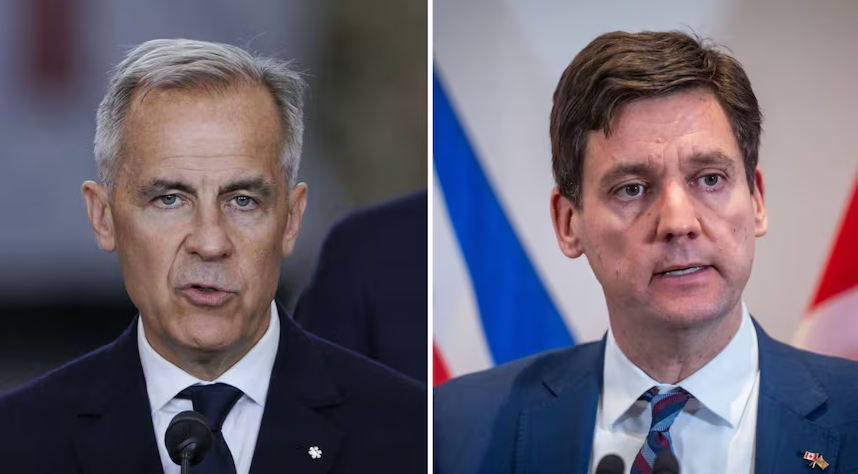
B.C. Premier David Eby says his government is standing firm on its ban on U.S. liquor sales, even as pressure builds from the hospitality sector and frustration grows in Washington over provincial retaliation measures tied to the ongoing trade dispute.
Eby made the comments after what he described as a productive call with Prime Minister Mark Carney, during which the two leaders discussed both Canada-U.S. trade tensions and fresh speculation about a possible new oil pipeline route through southern British Columbia. Mark Carney is Canada’s prime minister, and his government is actively focused on Canada-U.S. economic relations ahead of the next CUSMA review.
Eby says pipeline rumours did not come from Carney’s office
The latest pipeline speculation emerged after a report suggested Ottawa may be leaning toward a southern B.C. route for a proposed Alberta oil pipeline.
Eby said Carney assured him directly that those rumours did not originate from the Prime Minister’s Office.
According to Eby, Alberta Premier Danielle Smith has not raised the southern-route idea with him, and the only route he is aware of remains one leading to B.C.’s North Coast — an option the province and many First Nations have strongly opposed.
Eby said there is no scenario in which his government could support that kind of northern pipeline proposal.
B.C. keeps pressure on U.S. liquor products
Eby said he also used the call with Carney to stress that British Columbia’s decision to pull U.S. liquor from shelves is a provincial one, and that it will stay in place until the province sees meaningful progress on its trade concerns.
He said British Columbians are angry about the economic harm caused by U.S. trade actions, particularly where industries and jobs are being affected without justification.
The issue comes as Canada and the United States head into sensitive trade discussions under the Canada-United States-Mexico Agreement, with Carney’s government publicly emphasizing that U.S. tariffs remain a major obstacle. The federal government has recently highlighted its broader strategy for handling the Canada-U.S. economic relationship as those talks approach.
Forestry remains a major concern for B.C.
B.C. Forests Minister Ravi Parmar said he was encouraged to hear softwood lumber included in Carney’s remarks about trade irritants, arguing that the importance of B.C.’s forestry sector has too often been overlooked in national discussions.
He said British Columbia will continue pressing Ottawa to ensure forestry issues — especially softwood lumber — remain central to any successful outcome in future trade negotiations.
That position reflects broader concern in B.C. that tariffs on forest products, steel, aluminum and automobiles are doing lasting damage to Canadian industries.
Hospitality sector questions impact of ban
Not everyone in B.C. is convinced the liquor ban is worth the cost.
Ian Tostenson, president and CEO of the B.C. Restaurant and Food Services Association, said the province’s hospitality industry is paying a price and argued wholesale buyers should still be allowed to purchase U.S. products, even if those items remain off provincial retail shelves.
But B.C. Jobs Minister Ravi Kahlon said there is little evidence that easing restrictions would improve Canada’s bargaining position.
He argued that even when Canada has made concessions in the trade dispute, there has been little sign of reciprocal movement from the American side.
For now, B.C.’s position remains unchanged: until there is visible progress on forestry and other major trade concerns, the province does not plan to reverse course.
News
Stay updated with the latest BC news stories, subscribe to our newsletter today.
SUBSCRIBE
© 2026 Innovatory Labs Inc. All rights reserved.
LINKS