
Drought declared for Osoyoos Lake as officials raise water levels amid dry spring outlook
Olivia Singh
5/13/20262 min read
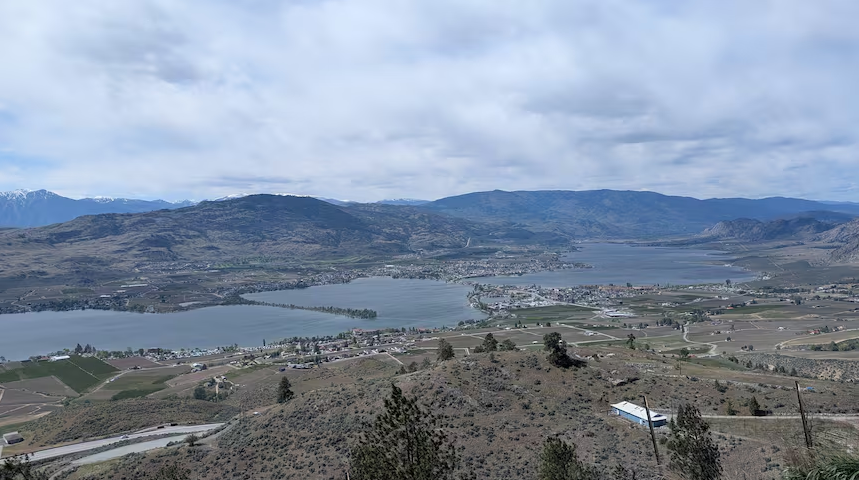
Drought conditions have officially been declared for Osoyoos Lake, giving water managers more flexibility to control lake levels as the southern Interior faces another dry start to the warm season.
The International Osoyoos Lake Board of Control announced the declaration Tuesday and said the immediate response will be to raise water levels through the Zosel Dam in order to capture whatever spring runoff remains. The board oversees operation of the dam, which regulates Osoyoos Lake along the Canada-U.S. border. B.C.’s River Forecast Centre has also warned that low snowpack, early snowmelt and warm weather are increasing drought risk, especially in the southern part of the province.
Low snowpack and early melt drove the declaration
The board says drought status is based on three indicators: flow into the Similkameen River between April 1 and July 31, net inflow into Okanagan Lake over the same period, and the peak level of Okanagan Lake in June or July.
According to the board, current forecasts suggest all three drought criteria are likely to be met. It also said low-elevation snowpack has melted weeks earlier than usual, reducing the runoff available to replenish the lake system.
That warning lines up with B.C.’s May 1 snow survey, which found the Okanagan basin at just 31 per cent of normal snowpack and the Similkameen basin at 61 per cent.
Lake levels being raised now
Osoyoos Lake has already been brought up to its normal operating level of about 278 metres, and the board says it will likely be raised further in the coming days.
The goal is to hold onto as much of the remaining runoff as possible before hotter summer conditions arrive.
Officials say they will continue monitoring both lake levels and river conditions as the season unfolds.
Hot summer outlook adds to concern
The drought declaration comes as seasonal forecasts point to warmer-than-normal temperatures in British Columbia through May, June and July. Environment and Climate Change Canada’s current seasonal forecast shows an above-normal temperature outlook across B.C. for that period.
That warmer outlook, combined with a weak snowpack and early melt, is raising concern that water supplies in the southern Interior could come under growing pressure as summer progresses.
News
Stay updated with the latest BC news stories, subscribe to our newsletter today.
SUBSCRIBE
© 2026 Innovatory Labs Inc. All rights reserved.
LINKS