
Deceased Kamloops man identified by U.S. police as suspect in 1986 Washington state killing
Olivia Singh
5/20/20262 min read
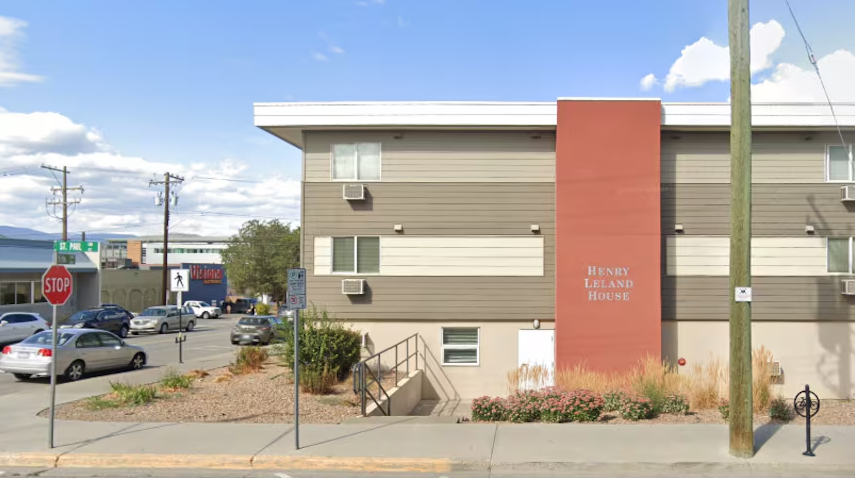
Police in Wenatchee, Washington, say they have solved a cold-case homicide from 1986 and identified deceased Kamloops resident Henry Leland as the man believed to have killed 35-year-old Carol Traicoff. The case had remained unsolved for decades before renewed forensic work led investigators to a DNA match.
According to the Wenatchee Police Department, Traicoff was killed on or around May 14, 1986. Investigators at the time determined she died in what police described as a homicidal assault, but the forensic tools available then were not enough to identify a suspect.
DNA evidence reopened the case
The breakthrough came after evidence collected at the crime scene was re-tested in 2023, producing a usable DNA profile. Police then used forensic genetic genealogy to identify Leland as a possible suspect. Detectives later contacted Leland’s sister and confirmed the identification through a DNA comparison. Wenatchee police say there are no other suspects and the case is now considered closed.
Police also thanked Traicoff’s family for continuing to push for answers over the years, saying their persistence helped keep the investigation alive.
Kamloops connection sparks local fallout
The development has had immediate repercussions in Kamloops, where Leland had long been remembered as a well-known figure in the community.
Leland died in 2007 after being found in a snowbank while living unhoused in Kamloops. Two years later, a supportive housing building at 506 St. Paul Street was named Henry Leland House in his honour. At the time, a provincial release said he had been regarded by the community as a kind soul and that naming the building after him was meant to recognize his life and the city’s homelessness crisis.
Following the new information from Washington state, ASK Wellness Society executive director Bob Hughes said the organization will now consult with Tk’emlúps and Skeetchestn elders for guidance on what should happen next with the building’s name.
A painful reassessment
The case has forced a painful reassessment of a man whose public memory in Kamloops had been tied to compassion and homelessness advocacy.
While Leland had been commemorated locally as someone whose death symbolized the need for better support for vulnerable people, the new DNA findings have added a deeply troubling and tragic dimension to that history.
For Traicoff’s family, the identification brings long-awaited answers. For Kamloops, it raises difficult questions about legacy, remembrance and how communities respond when new truths emerge decades later.
News
Stay updated with the latest BC news stories, subscribe to our newsletter today.
SUBSCRIBE
© 2026 Innovatory Labs Inc. All rights reserved.
LINKS