
Confusion, inconvenience sending B.C.’s recyclable plastics to landfill
Olivia Singh
9/11/20251 min read
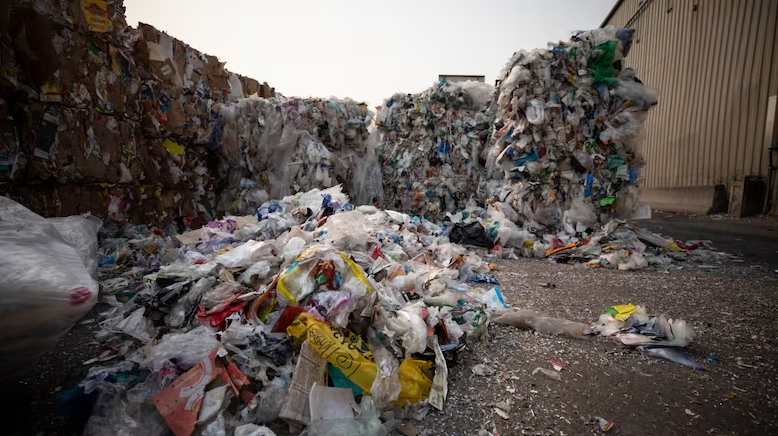
B.C.’s recycling system is celebrated internationally as a model of extended producer responsibility, but plastics remain its weak spot. According to Recycle B.C.’s latest annual report, just 45 per cent of plastic packaging that residents use is recovered for recycling, compared to 92 per cent for paper and 100 per cent for glass.
“We know people want to do the right thing, but confusion and inconvenience keep plastics out of the system,” said Sam Baker, Recycle B.C.’s executive director. “If residents are going to take the time to sort and drop off, we’re going to make sure it gets recycled.”
In 2024, residents collected over 31,000 tonnes of plastic packaging through blue bins and depots. Nearly all of that was successfully recycled, but the problem lies with the large share that never makes it into the system in the first place. Bags and wrappers, in particular, lag far behind rigid plastics like containers.
Much of the gap is due to residents needing to haul flexible plastics to special depots — 227 across the province or recycling kiosks in 53 London Drugs stores. “We put a lot of material into the market, so we feel it’s our responsibility to take it back,” said London Drugs sustainability manager Raman Johal. But he acknowledged it only works if people are willing to make the effort.
To close the gap, Recycle B.C. has piloted a new “pink box” program in West Vancouver and Maple Ridge that allows households to set flexible plastics curbside alongside their regular blue bins. West Vancouver resident Aubrey Smethurst calls the program a “game changer,” saying it not only makes recycling easier but also helps her family see — and reduce — their plastic use.
Recycle B.C.’s goal is to raise plastics recovery to at least 50 per cent. For Baker, it’s both about convenience and trust: “We’re fighting apathy and misinformation. We want people to know that if they make the effort, the system works.”
News
Stay updated with the latest BC news stories, subscribe to our newsletter today.
SUBSCRIBE
© 2026 Innovatory Labs Inc. All rights reserved.
LINKS