
Cold case unit for Indigenous victims solves 2016 murder of B.C. master carver in Washington State
Emma MacLeod
12/19/20252 min read
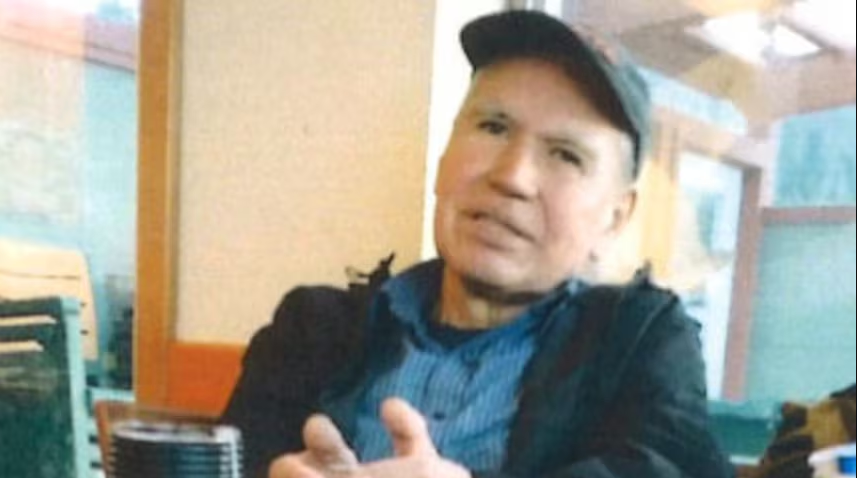
Nearly a decade after the death of a respected B.C. Indigenous artist in Washington State, a newly created cold case unit has brought long-awaited answers to his family and community.
George David, 65, a master carver from the Tla-o-qui-aht First Nation on Vancouver Island, was found dead on March 28, 2016, while staying at a friend’s apartment in Port Angeles, Wash., located across the Juan de Fuca Strait from Victoria.
At the time, Port Angeles police identified Tina Marie Alcorn as a suspect but said there was not enough evidence to proceed with charges. The case remained unresolved for years.
That changed in 2024, when the investigation was taken up by Washington State’s Missing and Murdered Indigenous Women and People (MMIWP) Cold Case Investigations Unit. The unit was established by the state legislature in 2023 following findings of systemic failures contributing to disproportionately high rates of violence against Indigenous people.
Working alongside Port Angeles police, investigators uncovered new evidence that led to Alcorn’s arrest in June 2025. She later pleaded guilty to the murder and was convicted on Dec. 15.
According to Washington State’s Office of the Attorney General, Alcorn has been sentenced to 13 years in prison for second-degree murder, along with an additional finding that she was armed with a deadly weapon during the crime. The case marks the first conviction secured by the new cold case unit.
In a statement released by the Attorney General’s office, David’s daughter, Maria David, reflected on the loss of her father and the significance of the conviction.
“My dad was a master carver,” she said. “I just have half-finished carvings that never got to become puppets and tell their stories. Indigenous artwork is how we tell our stories — and his stories can no longer be told.”
She added that her father’s unfinished works, ranging from masks and totem poles to engravings and prints, now remain silent, but said she was grateful for the renewed investigation.
“I am thankful to the Attorney General’s Office and the Cold Case Unit for their work,” she said.
George David’s artwork is displayed internationally, with pieces held in collections across Washington State, Japan and Norway. The resolution of his case is being viewed by advocates as an early sign of progress in addressing long-standing gaps in justice for Indigenous victims and their families.
News
Stay updated with the latest BC news stories, subscribe to our newsletter today.
SUBSCRIBE
© 2026 Innovatory Labs Inc. All rights reserved.
LINKS