
Canada Border Agency Faces Scrutiny Over Harassment Complaints as Parliamentary Inquiry Looms
Shraddha Tripathy
3/23/20263 min read
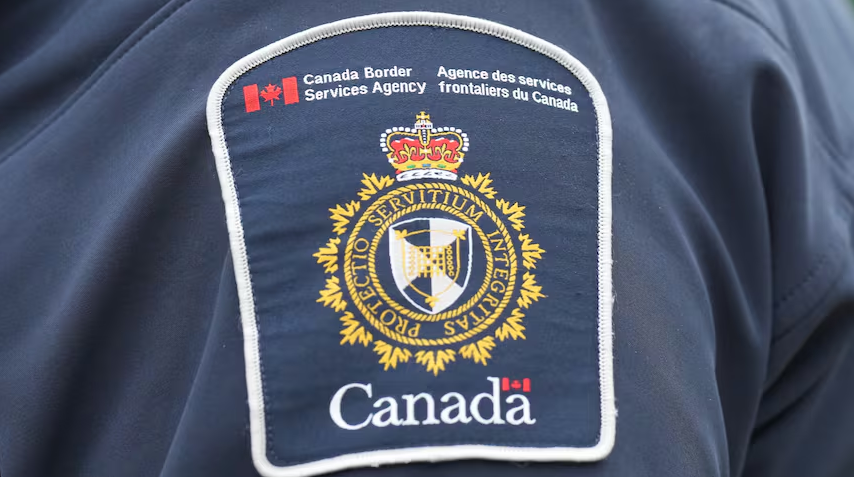
Canada’s national border agency is under growing pressure as allegations of harassment, discrimination, and institutional dysfunction prompt a parliamentary investigation into its workplace culture.
The House of Commons public safety committee is expected to launch an inquiry this spring into what it describes as “systemic discrimination and organizational culture” within the Canada Border Services Agency (CBSA), following months of complaints from current and former employees.
Those allegations paint a troubling picture: female officers subjected to degrading and sexualized comments, complaints allegedly stalled or minimized by management, and a culture that discourages reporting misconduct.
Allegations of a Toxic Environment
Among those raising concerns is Conservative MP Rhonda Kirkland, who has been advocating for an inquiry after hearing from constituents.
“The agency appears discriminatory and toxic,” Kirkland said, adding that women seem to be disproportionately affected.
She said she is particularly troubled by how complaints are handled internally.
“It seems that management is spending more time covering things up than addressing them,” she said. “We need a workplace that is psychologically safe for the people protecting our borders every day.”
The CBSA employs approximately 18,000 people nationwide and plays a critical role in immigration enforcement, customs screening, and national security operations.
Leadership Acknowledges Challenges
In a message to staff last November, CBSA president Erin O'Gorman acknowledged that employees who experience harassment or discrimination do not always feel comfortable reporting it.
She said the agency has “more to do” and must develop a clear roadmap to improve workplace culture.
CBSA vice-president Christine Durocher said efforts are underway to create an environment where employees feel safe speaking up without fear of retaliation.
“One case is one too many,” Durocher said. “When issues arise, they are addressed.”
However, she noted that privacy rules limit the agency’s ability to disclose specific disciplinary actions.
Grassroots Support Network Emerges
Amid concerns about internal processes, a group of current and former CBSA employees has formed an independent support network known as the Nova Alliance.
The group aims to help officers navigate the complex system for reporting harassment, discrimination, and bullying.
It is named after Nova, the canine partner of former CBSA dog handler Danielle Getzie, who became a central figure in challenging agency policy.
Getzie previously fought a rule limiting how long trainers could be separated from their service dogs—an issue that affected maternity leave. The policy has since been revised to align with protections under the Canadian Human Rights Act.
“For the first time, women across the country are connecting and realizing they’re not alone,” Getzie said. “The time is now. We can’t ignore this any longer.”
She said the alliance provides guidance on filing grievances and accessing investigative processes, offering support to employees who may otherwise feel isolated.
Union Warns of Underreported Cases
The Customs and Immigration Union, which represents CBSA officers, says the complaints brought forward publicly represent only a small portion of the problem.
Union president Mark Weber said many employees are reluctant to file formal complaints because they believe the process is ineffective.
“Members are hesitant because they don’t think anything will come of it,” Weber said.
He also criticized what he described as inconsistent disciplinary practices, alleging that front-line workers may face suspension while managers accused of misconduct are sometimes sent for additional training instead.
In one cited case, a manager who allegedly used derogatory language toward female employees faced limited consequences.
“When behaviour is allowed to continue with minimal repercussions, it sends a message that it’s acceptable,” Weber said.
Calls for Reform Grow
The CBSA has launched an internal review process involving employees and union representatives to identify priority issues within the organization.
It has also announced plans to hire 1,000 new officers over the next three years and says it is working to improve diversity and inclusion across its workforce.
Still, critics argue that structural reforms are needed to rebuild trust and ensure accountability.
For lawmakers on the public safety committee, the upcoming inquiry represents an opportunity to examine whether existing systems for handling harassment complaints are adequate—or whether deeper changes are required.
As scrutiny intensifies, the central question remains whether the agency can transform its internal culture while maintaining the operational demands of safeguarding Canada’s borders.
For many employees, the answer will depend on whether complaints are not only heard—but acted upon.
News
Stay updated with the latest BC news stories, subscribe to our newsletter today.
SUBSCRIBE
© 2026 Innovatory Labs Inc. All rights reserved.
LINKS