
B.C. university students push for $10 ferry fares, calling current costs unfair and unaffordable
Liam O'Connell
11/7/20252 min read
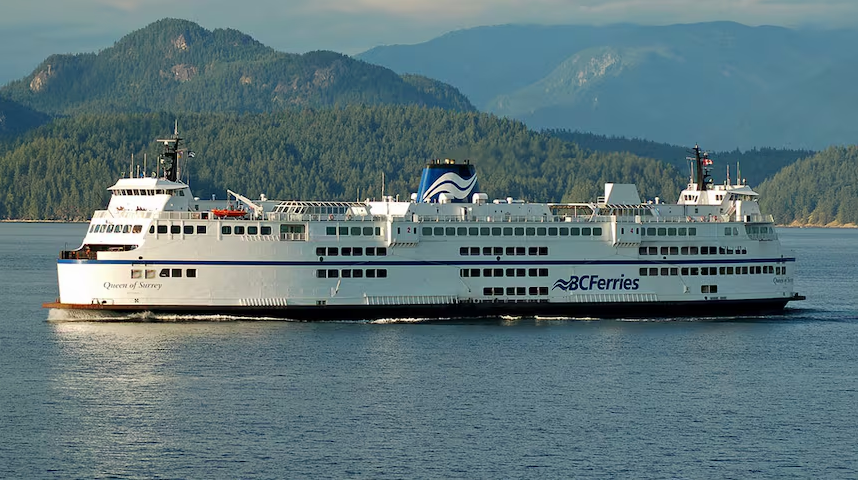
University students across British Columbia are calling for cheaper ferry fares, saying travel costs between the mainland and Vancouver Island are making life more expensive and isolating for thousands of young people.
The coalition, which includes student unions from UBC, SFU, and UVic, has proposed a $10 walk-on rate for all post-secondary students. Right now, students pay full adult fares — typically between $15 and $20 depending on the route.
“We believe this would improve accessibility, affordability, and ridership,” said Michael Caryk of the University of Victoria Students’ Society.
Caryk said cheaper fares would help students stay connected with their families and communities, especially for those studying away from home.
“It would mean being able to go home more often, spend time with family, and worry a bit less about the cost,” he said.
Push for Provincial Support
Currently, seniors and K–12 students receive fare discounts on B.C. Ferries, but no such program exists for college or university students.
In a statement, B.C. Ferries said it recognizes the financial pressures facing students but added that the company cannot introduce new discounts without direction and funding from the provincial government.
“Any new fare categories or discounts, including those for post-secondary students, would require provincial direction and funding,” the company said.
Provincial and Federal Role
The B.C. Ministry of Transportation said ferry service levels and fare structures are reviewed every four years, with the next performance term beginning April 1, 2028. The ministry said future reviews will consider “affordability and accessibility across the coastal ferry system.”
Premier David Eby has previously criticized the federal government’s funding model, noting that ferry users on Canada’s East Coast receive around $300 per person in subsidies, compared to just $1 per person in B.C.
Caryk said student groups hope both provincial and federal governments will step up to make travel more affordable.
“We’re not just asking for a handout — we’re asking for fairness and equal access,” he said.
Background
B.C. Ferries has warned fares could rise by up to 30 per cent by 2028, citing inflation and fleet maintenance costs. The company has also been under pressure to improve reliability after a series of sailing cancellations and mechanical issues this year.
For students who rely on the ferries to travel for school, work, or to visit family, Caryk says the message is simple:
“Ferries are essential public transportation — and students deserve to afford them too.”
News
Stay updated with the latest BC news stories, subscribe to our newsletter today.
SUBSCRIBE
© 2026 Innovatory Labs Inc. All rights reserved.
LINKS