
B.C. towns warn of tax losses as province plans to cut pipeline property valuations
Noah Chen
10/29/20252 min read
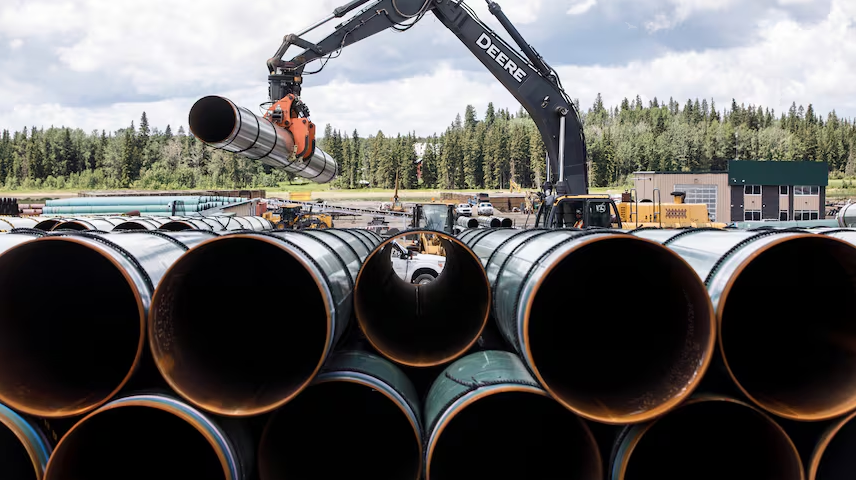
Rural and small-town leaders across British Columbia are warning that proposed changes to how pipelines are assessed for property tax purposes could deliver a major financial hit to local budgets.
B.C. Assessment, the provincial agency responsible for determining property values, plans to implement a new gathering and transmission pipeline cost model in 2026. The update would lower pipeline valuations provincewide, reducing the tax revenue communities receive from pipeline companies like Trans Mountain and FortisBC.
“We just know at this point, this is going to hurt,” said Clearwater Mayor Merlin Blackwell, whose community of about 2,400 people relies heavily on pipeline taxes to fund essential services.
Clearwater — about 110 kilometres north of Kamloops — hosts part of the Trans Mountain pipeline, built in 1953 and expanded in 2023. Blackwell said the changes could mean an 8 to 11 per cent loss in taxation from pipeline utilities, translating to roughly $240,000 to $300,000 in annual lost revenue.
“The trickle-down to the average citizen is pretty dramatic,” he said. “That’s money that goes toward snow removal, road repairs, and recreation programs.”
First major overhaul in nearly 40 years
According to Chris Whyte, B.C. Assessment’s manager of specialized costs, the update stems from years of consultation with industry stakeholders who argued that the 1986-era valuation model no longer reflects modern construction techniques or costs.
“They indicated the pipeline rates being applied in the regulation were not representative of current costs,” Whyte said during an October 23 presentation to the Thompson-Nicola Regional District (TNRD).
Whyte said the new model aims to bring valuations in line with today’s market realities after decades of limited change.
However, local governments say the proposed update comes with devastating implications for their budgets — especially in regions where pipelines make up much of the commercial tax base.
Communities push for delay
The TNRD estimates the proposed adjustments could reduce its assessed pipeline value by 23 to 30 per cent, forcing municipalities to raise residential property taxes by as much as 25 per cent to maintain service levels.
In a letter to Finance Minister Brenda Bailey, TNRD chair Barbara Roden called for a one-year postponement, arguing that pipeline assessments should be updated in tandem with other large-scale utilities such as railways.
“The status quo that B.C. Assessment has had in place since 1986 should remain in effect for at least one additional year,” the letter reads.
The finance minister is expected to review the regulated rates and rules in November, with the B.C. Assessment board scheduled to make a final decision in December.
Growing concern across B.C.
Local leaders are warning that without intervention, the change will permanently weaken small-town budgets and increase financial pressure on residents.
“I think basically every community and every regional district along any pipeline route in B.C. needs to clue in to this and start asking questions as quickly as they can,” said Blackwell. “Once it’s in effect, it’s going to be really hard to undo — if it can be undone at all.”
If the proposal goes ahead, dozens of communities — from Fort St. John to Hope — could see their infrastructure funding and service budgets cut, even as operating costs and inflation continue to climb.
For many rural mayors, the fight now is not just about property tax policy, but about protecting local autonomy and keeping pipelines financially accountable for the land they use.
News
Stay updated with the latest BC news stories, subscribe to our newsletter today.
SUBSCRIBE
© 2026 Innovatory Labs Inc. All rights reserved.
LINKS