
B.C. Snowbirds and Vacationers Describe Fear and Confusion After Cartel Violence Paralyzes Parts of Mexico
Shraddha Tripathy
2/24/20263 min read
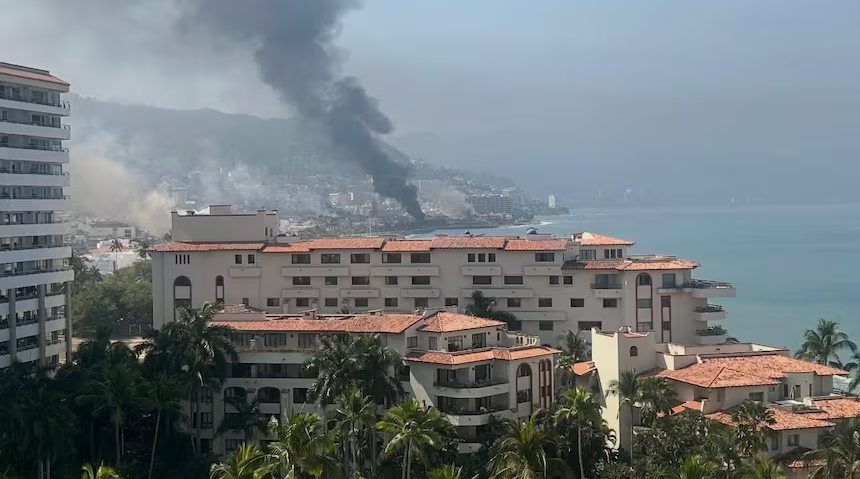
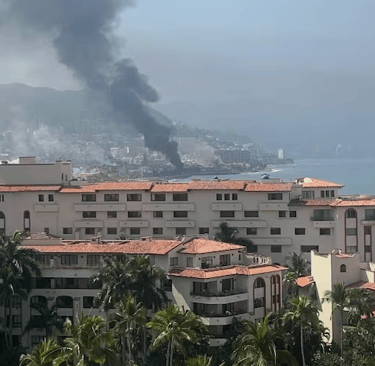
What began as a peaceful whale-watching excursion off Mexico’s Pacific coast quickly turned into a moment of confusion and fear for one Vancouver family.
Bal Brach was aboard a tour boat near Puerto Vallarta with her husband, four children and grandparents when explosions echoed along the shoreline.
“We were watching whales all around us when suddenly we saw and heard an explosion,” she told Peazzi. “The captain told us not to worry, maybe it was demolition. But it didn’t feel normal.”
For nearly two hours, passengers remained offshore while the captain fielded calls and information slowly emerged: vehicles were burning, highways were blocked and violence was spreading across the region.
“It all shut down so fast,” Brach said. “And there was such a lack of information. When you don’t have information, it’s hard to make decisions.”
When the boat finally returned to land, their driver took them to a small resort, where they sheltered with other Canadians for several hours as smoke billowed in the distance.
Violence Spreads Across the Region
The unrest followed a major operation by Mexican special forces targeting Nemesio Rubén Oseguera Cervantes, widely known as “El Mencho,” leader of the Jalisco New Generation Cartel.
Mexican officials said at least 73 people were killed during clashes tied to the attempted capture, including security personnel, suspected cartel members and civilians.
In the aftermath, cartel members reportedly torched vehicles and erected roadblocks at more than 250 locations across 20 Mexican states, including in and around Puerto Vallarta. Thick smoke rose above highways as fires burned.
The sudden violence disrupted travel plans for thousands of Canadians. Global Affairs Canada said approximately 5,000 Canadians were in Jalisco state at the time. Foreign Affairs Minister Anita Anand said more than 26,000 Canadians had registered as being in Mexico overall, though the actual number is likely higher.
Stranded and Short on Supplies
Vancouver resident Patrick Joyce awoke Sunday morning to smoke rising near his condominium complex.
“At that point, we realized this was much bigger,” he said. “There were cars on fire along the highway close to where we were staying.”
Residents in his building quickly retreated indoors. As authorities urged caution and roads remained blocked, grocery stores became crowded and supplies dwindled.
“The building provided a bit of food, but not a lot,” Joyce said. “We’ve pretty much run out. We’re trying to figure out how to restock.”
His return flight to Canada was not scheduled until Saturday, leaving him and other travellers uncertain about whether additional disruptions might occur.
Flights Cancelled — Then Gradually Restored
Multiple airlines cancelled flights in and out of Puerto Vallarta beginning Sunday morning, stranding visitors and disrupting winter travel plans.
By Monday, carriers announced that service would gradually resume. Air Canada said it would restore full operations from Montreal, Toronto and Vancouver using larger aircraft to increase capacity. WestJet also confirmed it would resume scheduled service but advised passengers to check flight status before heading to the airport.
For many Canadians, the return of flights signalled the first step toward normalcy.
A Community That Came Together
Despite the chaos, some long-term Canadian residents described a sense of solidarity within Puerto Vallarta’s neighbourhoods.
Alex and Sandy Smardenka, Ontario snowbirds who have spent winters in the city for a decade, were hosting friends to watch the Canada–U.S. Olympic men’s hockey gold medal game when the violence began.
By Monday, they said the atmosphere had calmed considerably, though grocery stores were overwhelmed with long lines.
“Lineups were horrendous everywhere,” Sandy said. “Some of the smaller grocery stores had lines around the block.”
With restaurants closed and supplies limited, neighbours began sharing meals and resources.
“This whole condo complex came together,” she said. “We cooked together, ate together, made sure everyone was fed.”
Fear, But Not Panic
For many Canadians caught in the turmoil, the experience was surreal but temporary.
“We’ve been here for 10 years,” Alex Smardenka said. “It’s always felt safe. We’ve never seen violence like this before.”
Travellers like Brach echoed that sentiment. While shaken by the sudden explosions and uncertainty, she said she does not view Puerto Vallarta as inherently unsafe.
But the episode exposed how quickly life in a popular tourist destination can shift when cartel violence erupts.
“When you’re a visitor, you rely on information,” she said. “And when that disappears, even for a few hours, it’s incredibly unsettling.”
As flights resume and smoke clears from the highways, thousands of Canadians are weighing their next steps—whether that means returning home sooner than planned, or staying put in a city that many still consider welcoming despite the shock of recent events.
News
Stay updated with the latest BC news stories, subscribe to our newsletter today.
SUBSCRIBE
© 2026 Innovatory Labs Inc. All rights reserved.
LINKS