
B.C. premier David Eby says landmark court ruling driving urgent changes to Declaration on the Rights of Indigenous Peoples Act (DRIPA)
Subhadarshi Tripathy
4/9/20262 min read
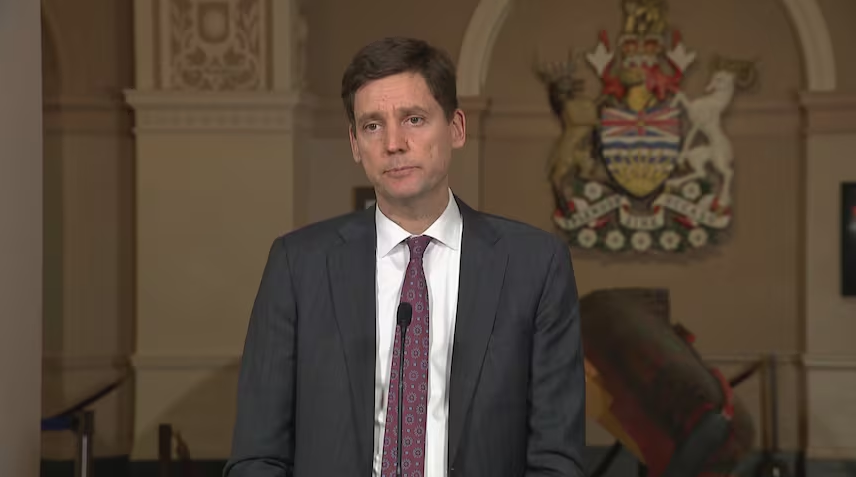
B.C. Premier David Eby says a recent court ruling is already reshaping the province’s legal landscape, with more than 20 lawsuits amended in response to the decision — a development driving his government’s push to overhaul the Declaration on the Rights of Indigenous Peoples Act (DRIPA).
At the centre of the issue is the Gitxaała decision, which found that B.C.’s system for granting mineral rights is inconsistent with DRIPA. The province is now appealing the ruling.
Why the government says action is needed
Eby argues the decision has opened the door for sweeping legal challenges across the province.
“It’s a very real and manifesting challenge,” he said, noting that any provincial law could now be contested if it is not aligned with the United Nations Declaration on the Rights of Indigenous Peoples (UNDRIP).
One of the most significant proposed changes is the temporary suspension of Section 3 of DRIPA — a provision requiring B.C. laws to be consistent with the UN declaration.
The suspension could last up to three years or until the Supreme Court of Canada decides whether to hear the Gitxaała appeal.
Backlash from First Nations and legal experts
The proposal has sparked immediate criticism.
Robert Phillips of the First Nations Leadership Council said the move is fundamentally flawed.
“You can’t put a pause on Aboriginal rights and title,” he said, adding that legal action and protests have not been ruled out.
Legal experts have also raised concerns about uncertainty.
Thomas Isaac said the government’s approach creates confusion for both reconciliation efforts and the economy.
“To do a flip-flop on something this critical… it’s disappointing and negligent,” he said.
Confusion over multiple court cases
Critics argue the government is conflating two separate legal rulings.
Alongside the Gitxaała case, Eby has also pointed to the Cowichan decision, in which a court recognized Aboriginal title over land in Richmond.
However, that case is rooted in Section 35 of the Constitution Act, 1982 — not DRIPA — and began years before the legislation was passed.
Former B.C. Green MLA Adam Olsen said combining the two issues risks misleading the public.
Political pressure mounting
The debate is quickly becoming a major political flashpoint.
The B.C. Conservatives have called for DRIPA to be scrapped entirely, while interim leader Trevor Halford accused Eby of reacting in panic.
Meanwhile, former NDP Indigenous relations minister Scott Fraser warned that repealing the law would reverse years of progress.
“It’s very dangerous to turn back the clock,” he said, urging the government to stay the course and better explain its actions to the public.
What happens next
Eby has indicated the proposed legislation to suspend parts of DRIPA will be introduced soon and treated as a confidence vote — meaning the government could fall if it fails.
Despite holding only a slim majority, the premier says he is confident the legislation will pass.
At stake is not just a legal adjustment, but a broader question: how B.C. balances Indigenous rights, resource development and legal certainty in the years ahead.
News
Stay updated with the latest BC news stories, subscribe to our newsletter today.
SUBSCRIBE
© 2026 Innovatory Labs Inc. All rights reserved.
LINKS