
B.C. premier condemns MLA’s use of Nazi-linked rhetoric during treaty debate
Subhadarshi Tripathy
4/24/20262 min read
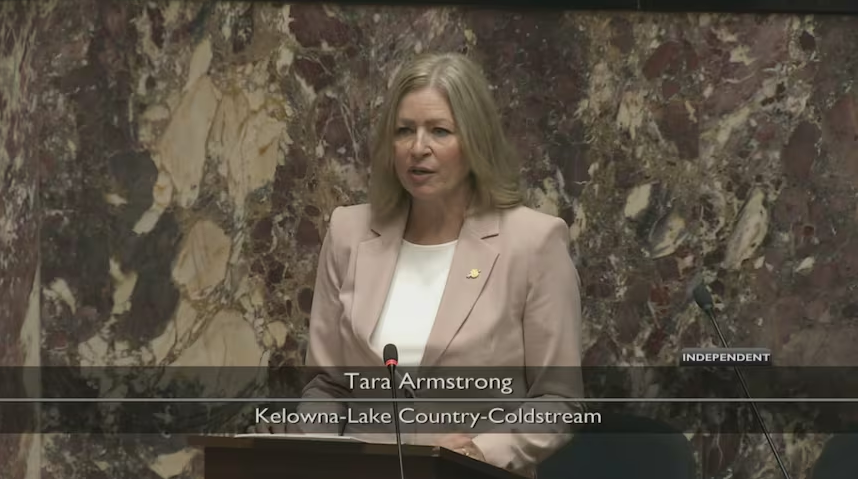
B.C. Premier David Eby is condemning Independent MLA Tara Armstrong after she used Nazi-linked rhetoric during debate over the K’ómoks Treaty Act in the provincial legislature.
Armstrong, the MLA for Kelowna-Lake Country-Coldstream, used the phrase “blood and soil” while arguing against the legislation, which concerns the K’ómoks First Nation treaty. The phrase is historically associated with Nazi ideology and was used to promote the idea of a racially pure “Aryan” people tied to conquered land.
Comments spark immediate backlash
During debate in the legislature, Armstrong said the legislation promoted what she described as UNDRIP’s “blood and soil theory,” referring to Indigenous rights and connections to land. Her remarks quickly drew condemnation from fellow MLAs.
Independent MLA Elenore Sturko called the language extremely offensive and said it should never be used in the chamber, particularly in reference to the inherent rights of Indigenous people in British Columbia. BC NDP MLA Amna Shah also denounced the comments, describing them as disgusting and revisionist.
Later, at the request of Speaker Raj Chouhan, Armstrong withdrew the remarks.
Eby says line should never be crossed
Eby responded publicly, saying no one should be allowed to use Nazi rhetoric in the B.C. Legislature to make a political argument. He called the comment abhorrent and said it crossed a line that should never be crossed.
Armstrong later defended herself on social media and accused Eby of endorsing the same ideology through his government’s approach to UNDRIP and treaty policy.
The exchange has intensified political tensions around Indigenous rights, treaty implementation and the language used in public debate.
Why the phrase drew such strong criticism
The phrase “blood and soil,” or Blut und Boden, was an early Nazi slogan in Germany. The United States Holocaust Memorial Museum says it was used to evoke the idea of a pure “Aryan” race tied to territory the regime wanted to control, making it foundational to Nazi ideology.
That history is why the remark drew such swift backlash from political opponents and community advocates, who said invoking the phrase in a debate about Indigenous rights was both offensive and deeply inappropriate.
The controversy is now likely to keep reverberating in Victoria as MLAs continue debating both the treaty legislation itself and the boundaries of acceptable political rhetoric.
News
Stay updated with the latest BC news stories, subscribe to our newsletter today.
SUBSCRIBE
© 2026 Innovatory Labs Inc. All rights reserved.
LINKS