
B.C. poultry farmers test new filtration technology to combat avian flu spread
Noah Chen
11/4/20251 min read
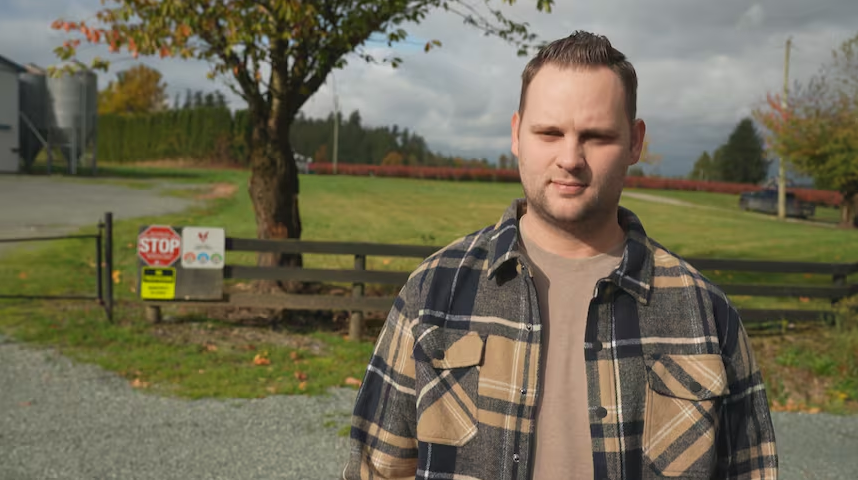
With at least 13 commercial poultry farms in B.C.’s Fraser Valley affected by avian flu this season, farmers are turning to high-tech solutions to fight the virus.
The effort is part of the province’s Novel Tools and Technologies Program, a $2.5-million pilot project supporting farmers who want to test new equipment — including hospital-grade filters, UV sterilization, and air-pressure systems — to curb the spread of highly pathogenic avian influenza (HPAI).
Farmer Matthew Burgsma has installed MERV-16 heat exchangers — a medical-grade filtration system — in his chicken barns to ensure clean airflow.
“We’re pulling all the fresh air in through those filters to make sure the birds have a safe environment,” Burgsma said. “It’s a real toll on mental health — it’s our livelihood.”
So far, about 75 poultry farms have joined the trials, receiving up to $30,000 each to offset costs. The new systems are being tested alongside existing bio-security protocols, which already require strict sanitation and restricted access to barns.
Scientific and Policy Context
B.C.’s chief veterinarian, Dr. Theresa Burns, said the initiative grew out of discussions among producers themselves:
“This really started with farmers asking, ‘What else can we do to reduce risk?’”
Researchers from Simon Fraser University are helping evaluate the effectiveness of different technologies — including ultraviolet light disinfection, electrostatic dust removal, and positive-pressure ventilation, which helps prevent contaminated outdoor air from entering barns.
The fall migration period (October–December) poses the highest risk for infections as wild birds travel south. According to the Canadian Food Inspection Agency (CFIA), over 310,000 domestic birds have already been culled in the region this fall.
Next Steps
Data from the program will be analyzed between February and June 2026 to determine which technologies are most effective and practical for large-scale adoption.
Despite uncertainty, Burgsma said he’s optimistic:
“I’m happy to do my part. I’m just hoping and praying that my farm stays avian influenza-free.”
News
Stay updated with the latest BC news stories, subscribe to our newsletter today.
SUBSCRIBE
© 2026 Innovatory Labs Inc. All rights reserved.
LINKS