
B.C. passes bill to fast-track $6B North Coast transmission line despite opposition pushback
Olivia Singh
11/20/20252 min read
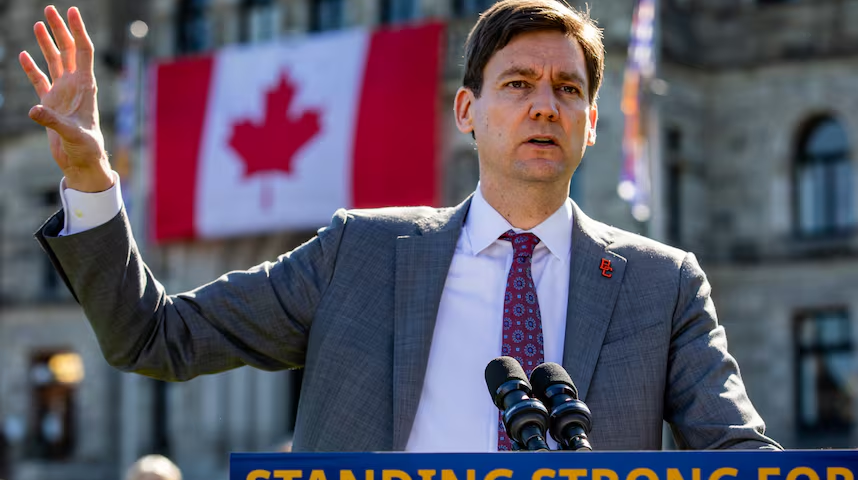
Legislation to fast-track construction of a massive new power transmission line in northern B.C. passed third reading Thursday, securing a key win for Premier David Eby’s economic agenda.
Bill 31 — the Energy Statutes Amendment Act, 2025 — was approved with the support of the B.C. NDP’s narrow majority, advancing a plan to double the amount of electricity flowing from Prince George to Terrace through the proposed North Coast Transmission Line.
The roughly $6-billion project is central to the province’s plan to support new industrial activity in the north, including critical mineral development and liquefied natural gas terminals. It is among 18 priority projects flagged to expand B.C.’s electricity grid, and part of Eby’s broader Look West jobs strategy.
The Canada Infrastructure Bank has committed a $140-million loan to BC Hydro as part of financing.
“This line is key to powering B.C.’s next generation of industrial development,” said BC Hydro CEO Charlotte Mitha in an earlier statement.
Conservatives attempt to stall
The B.C. Conservatives attempted to slow the bill through a hoist motion that would have delayed it by at least six months. Leader John Rustad argued the province already has authority to build the line without new legislation and questioned whether B.C. has enough electricity supply to support new energy-intensive projects.
Rustad criticized the government in a statement on X, saying the NDP “will cheer a transmission line but block every project it’s supposed to power.”
Greens vote against bill after amendments rejected
The B.C. Greens initially supported the bill through early readings, hoping to amend it to improve transparency, including clearer criteria on how electricity is allocated and stronger public oversight.
After those amendments failed, the party’s two MLAs voted against the final bill.
Green MLA Jeremy Valeriote argued the bill enables a major public subsidy for LNG production rather than strengthening B.C.’s long-term clean-energy advantage.
“The premier and minister have made it clear this line is being advanced primarily as a public subsidy for LNG projects,” Valeriote said, noting the lack of independent oversight on who receives power.
The Greens also criticized what they described as inadequate consultation with First Nations, saying communities along the route were offered a “take it or leave it” deal.
First Nations support varies
Some Indigenous communities have expressed concerns about the process, but others — including the Nisga’a Nation and economic bodies linked to it, such as K’uul Power — have voiced support, citing economic opportunities tied to cleaner energy access.
News
Stay updated with the latest BC news stories, subscribe to our newsletter today.
SUBSCRIBE
© 2026 Innovatory Labs Inc. All rights reserved.
LINKS