
B.C. Mother Detained in Texas Describes ‘Terrifying’ Conditions as Immigration Case Sparks Concern
Subhadarshi Tripathy
3/30/20263 min read
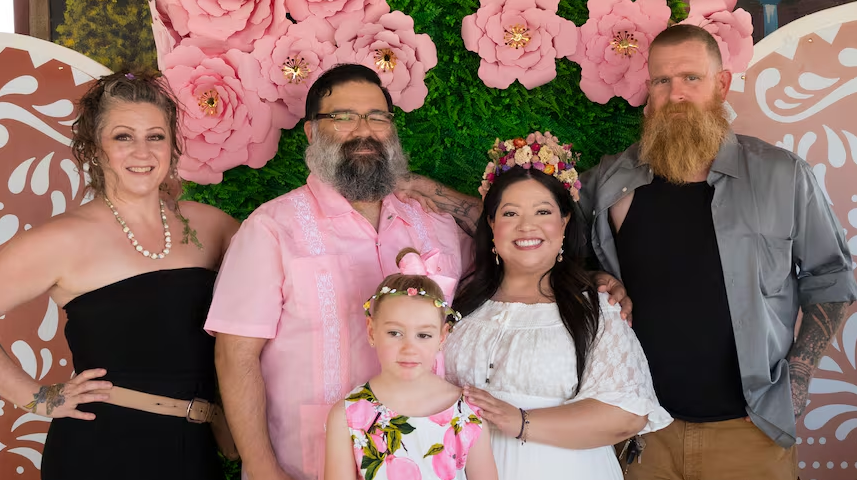
A British Columbia woman detained with her young daughter in a Texas immigration facility says their experience has been “terrifying,” raising fresh concerns about how immigration cases are handled in the United States.
Tania Warner, originally from Penticton, has been in custody for two weeks after she and her seven-year-old daughter, Ayla Lucas, were stopped at a U.S. border patrol checkpoint while returning home to Kingsville, Texas.
The pair had been travelling back from a baby shower in Raymondville on March 14 when they encountered a routine interior checkpoint in Sarita, one of many operated by U.S. Customs and Border Protection along highways near the U.S.-Mexico border.
Warner said it was a route they had taken before without incident. This time, she said, everything changed.
“It turned into the worst day of our lives,” she told Peazzi.
Inside Detention
Following their apprehension, Warner and her daughter were held for five days at the Central Processing Center in McAllen, Texas—commonly known as “Ursula”—before being transferred to the Dilley Immigration Processing Center.
Warner described the initial facility as deeply distressing, particularly for a child.
“It was absolutely terrifying,” she said. “There are no windows, no sense of time—no way to know if it’s day or night. It felt like a sensory deprivation chamber.”
Human rights organizations including Human Rights Watch and Amnesty International have previously criticized conditions at U.S. immigration detention centres, citing concerns about overcrowding, inadequate medical care, and the treatment of children.
Warner said her daughter, who is on the autism spectrum, struggled to cope in the environment and later developed a rash that she believes was linked to cleaning chemicals used in the facility.
She said her repeated requests for medical attention were initially dismissed.
“It wasn’t until I had a complete breakdown about her safety that they finally moved us,” she said.
While she describes the Dilley facility as more structured and “family-oriented,” Warner says it remains highly restrictive.
Dispute Over Legal Status
Warner maintains that she was lawfully present in the United States at the time of her detention.
She moved to Texas roughly five years ago on a visitor visa to be with her partner, Edward Warner, whom she later married. She subsequently obtained a work visa and says she has applied for permanent residency.
According to Warner, U.S. immigration authorities had acknowledged her application and issued a “prima facie” determination, allowing her to remain in the country while her case is processed.
“I have official documentation that says I’m allowed to be here,” she said. “I never imagined I’d be detained like this. We were unlawfully detained.”
Political Attention and Advocacy
The case has drawn concern both in Canada and the United States.
Independent MLA Amelia Boultbee, who represents Penticton-Summerland, said the detention has resonated deeply in Warner’s hometown.
“Tania is from this community—her family has roots here going back generations,” Boultbee said. “It’s very concerning to see her being held under these circumstances.”
She added that the community would welcome Warner and her family back “with open arms.”
In the U.S., Democratic Congressman Vicente Gonzalez has also spoken out, saying Warner appears to have valid documentation and should not be in detention. He has called for her immediate release.
Uncertain Path Forward
Warner is scheduled for a bond hearing, where she believes bail could be set as high as $10,000.
One option available to her is voluntary deportation—but she says the lack of clear information about the process has only added to her anxiety.
“It would mean starting over financially,” she said. “My life is here. This is the only home my daughter has known.”
The experience has left her questioning whether she wants to remain in the United States at all.
She is now urging others considering immigration to carefully weigh the risks.
“If people are thinking about moving here, they may want to reconsider,” she said. “There are many people in here who aren’t criminals—just people trying to navigate a complicated system.”
Broader Concerns
Warner’s case highlights ongoing tensions around immigration enforcement, particularly at interior checkpoints that can affect individuals living legally in border regions.
Advocates say the situation underscores the need for clearer policies, improved transparency, and greater protections for families navigating immigration processes.
For Warner, the issue is no longer abstract.
“I’m scared,” she said. “For myself, for my daughter, and for everyone else going through this.”
U.S. Citizenship and Immigration Services has declined to comment on the case, referring inquiries to U.S. Immigration and Customs Enforcement, which has not yet publicly responded.
News
Stay updated with the latest BC news stories, subscribe to our newsletter today.
SUBSCRIBE
© 2026 Innovatory Labs Inc. All rights reserved.
LINKS