
B.C. Legislature Opens Fall Session With Four Parties and Mounting Labour Tensions
Shraddha Tripathy
10/6/20252 min read
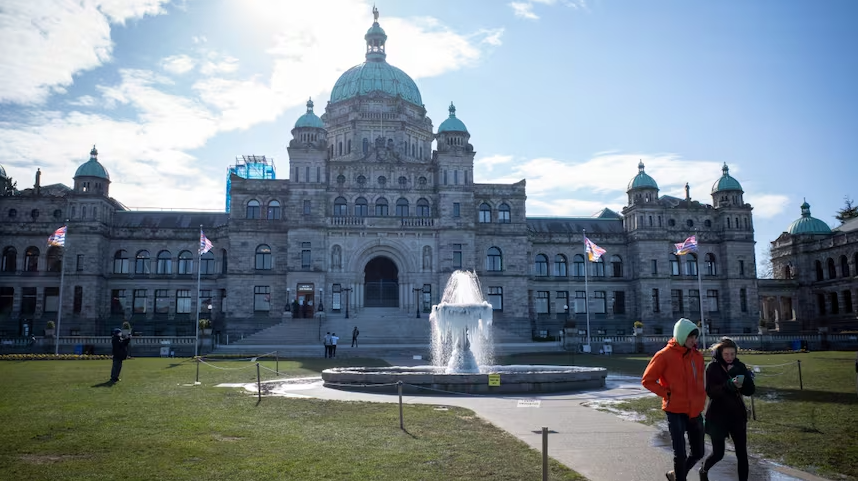
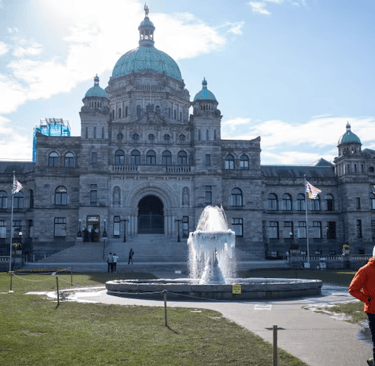
When the B.C. legislature reconvenes Monday, it will do so under the most politically fragmented and tense atmosphere in years — and under the watch of striking public sector workers massing outside the building.
The B.C. General Employees’ Union (BCGEU) is planning a large rally on opening day, part of a provincewide strike now entering its fifth week. Thousands of workers and supporters are expected to surround the legislature to demand higher wages, rejecting the government’s offer of a five per cent raise over two years.
House Leader Mike Farnworth acknowledged the labour action could complicate the start of the fall session. “There may well be people working in the building who are reluctant to cross a picket line,” he said, but added that there are legal limits to where pickets can be placed. “They know that bargaining takes place at the bargaining table.”
Political scientist Hamish Telford said the optics are challenging for the NDP. “The government is going to be struggling with its own core supporters,” he said. “A lot of NDP MLAs are going to feel deeply conflicted.”
Inside the chamber, the political lineup has shifted. There are now four recognized parties in the legislature — the NDP, B.C. Conservatives, B.C. Greens, and the newly formed One B.C. party.
The Conservatives, who recently became the Official Opposition, are grappling with internal turmoil. Leader John Rustad has lost four MLAs — Dallas Brodie, Tara Armstrong, Elenore Sturko, and Jordan Kealy — and is now facing backlash for firing staffer Lindsay Shepherd, who called the Survivors’ flag honouring residential school victims a “fake flag.”
Her comments drew condemnation from Indigenous leaders, and Rustad’s decision to dismiss her has exposed deep rifts within his caucus. Brodie, now co-leader of One B.C., defended Shepherd and has been accused of promoting residential school denial through a new documentary questioning burial evidence at former school sites.
Telford said the infighting underscores a broader divide on the right. “It’s going to be impossible to unite the right in B.C.,” he said. “Older conservatives focused on economics used to put social divisions aside. Now, there’s a new faction that wants to fight those battles out loud.”
Meanwhile, the NDP government faces its own balancing act — promising restraint to manage a $12-billion deficit while pressing ahead with 18 new bills, including legislation to enable B.C. Hydro’s North Coast Transmission Line between Prince George and Terrace.
The B.C. Greens, led by newly elected Emily Lowan, will be pushing on affordability and climate priorities, though Lowan lacks a seat and will direct her caucus from outside the chamber.
For Farnworth, who must manage both the legislative agenda and the political atmosphere, the message is simple: the government intends to keep governing. But with picket lines at the gates and ideological fault lines widening inside, this session may prove one of the most volatile in recent memory.
News
Stay updated with the latest BC news stories, subscribe to our newsletter today.
SUBSCRIBE
© 2026 Innovatory Labs Inc. All rights reserved.
LINKS