
B.C. launches Indigenous diversion program offering alternative to criminal charges
Subhadarshi Tripathy
10/16/20252 min read
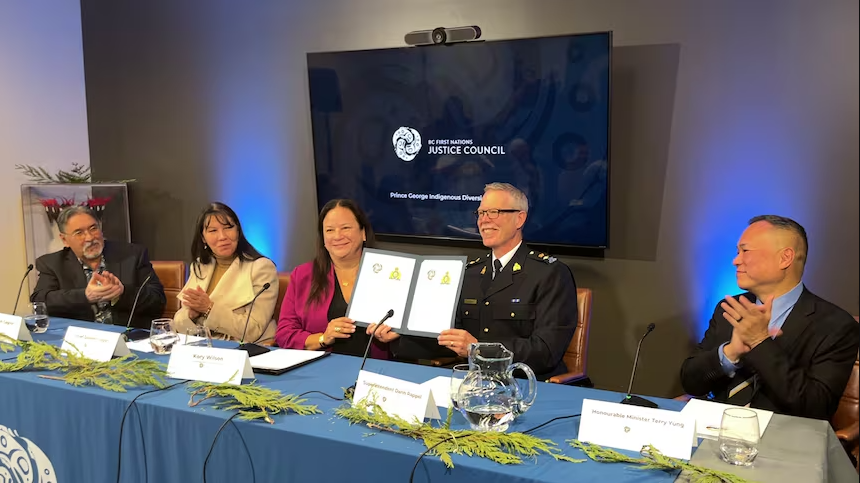
The B.C. First Nations Justice Council has opened a groundbreaking Indigenous Diversion Centre in downtown Prince George, marking a new approach to justice for Indigenous people in the province.
The centre — the first program of its kind in Canada — gives Indigenous offenders facing minor, non-violent charges such as shoplifting, fraud, or mischief the opportunity to participate in a 90-day therapeutic plan instead of being prosecuted in court.
At the end of the program, participants who meet all their commitments can have their charges dropped.
“There’s a gross over-representation of Indigenous people in the criminal justice system, so we need to do something about it,” said Kory Wilson, chair of the B.C. First Nations Justice Council.
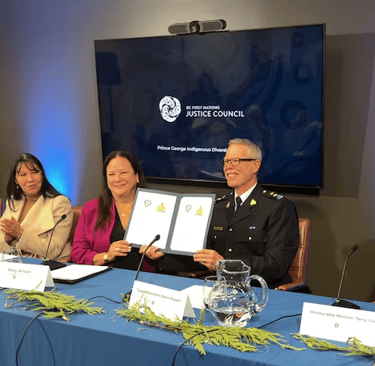
Wilson and Prince George RCMP Supt. Darin Rappel signed an agreement Tuesday officially launching the program, which partners police and Indigenous leaders in an effort to replace punishment with healing.
‘Not a get-out-of-jail-free card’
Wilson said the program isn’t about leniency — it’s about accountability and restoration.
“People often think it’s a get-out-of-jail-free card, but it’s much harder to face your elders, your victim, and the people you’ve harmed,” she said. “It’s about taking ownership and doing the work to heal.”
Participants will engage in counselling, cultural programming, and community service, guided by elders and social workers.
According to B.C. Corrections, 36 per cent of individuals in provincial custody identify as Indigenous, even though Indigenous people make up only six per cent of the province’s adult population. At the Prince George Regional Correctional Centre, that number rises to 63 per cent.
“We need to do something that’s different and outside the box,” Wilson said.
Healing through connection
Lheidli T’enneh Elder Marcel Gagnon, the centre’s elder-in-residence, said the goal is to help participants rebuild their sense of belonging and connection to culture.
“When they come and work with us — with social workers, counsellors, and others helping with housing and basic needs — I think it’s going to be very successful,” Gagnon said. “Especially reconnecting with ceremony and being on the land.”
A new approach to public safety
RCMP Supt. Rappel said the program could help address the cycle of repeat offending by tackling the underlying causes — poverty, trauma, addiction, and mental-health challenges — that often go unaddressed in the traditional justice system.
“Prince George, like other communities, has struggled with repeat offending,” he said. “The more options we have on the table, the better.”
He said police are optimistic the diversion centre will help reduce strain on courts and jails while building trust between law enforcement and Indigenous communities.
The centre will also support Indigenous people re-entering society after incarceration, helping them access housing, employment, and community supports to prevent reoffending.
“This is about healing and rebuilding lives,” Wilson said. “When we lift up our people, we make our whole community safer.”
News
Stay updated with the latest BC news stories, subscribe to our newsletter today.
SUBSCRIBE
© 2026 Innovatory Labs Inc. All rights reserved.
LINKS