
B.C. Judge Raises Concerns Over Proposed $4.5M Settlement in WestJet Harassment Class Action
Shraddha Tripathy
2/19/20262 min read
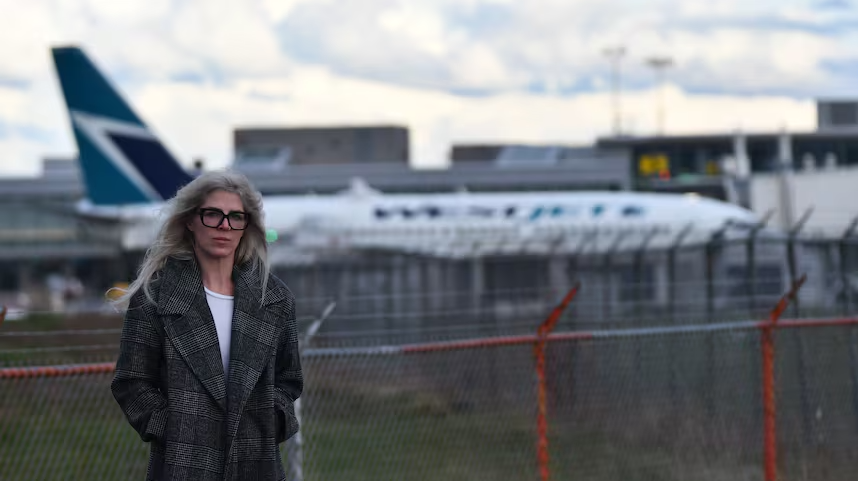
A proposed settlement in a class-action lawsuit involving nearly 3,500 female flight attendants and WestJet has been put on hold after a B.C. Supreme Court judge raised concerns about key aspects of the agreement.
The lawsuit alleges that between April 4, 2016, and Feb. 28, 2021, WestJet breached its employment contracts by failing to implement and maintain adequate anti-harassment policies and reporting systems. The airline denies liability under the proposed terms.
Under the agreement, WestJet would pay $4.5 million to class members but admit no wrongdoing.
However, Justice Jacqueline Hughes questioned whether the proposed deal sufficiently protects class members’ interests and promotes meaningful accountability.
Concerns over timeline and transparency
One of the judge’s primary concerns was the timeline given to class members to review and respond to the settlement.
An unofficial draft of the agreement was emailed to current and former flight attendants on Jan. 16. A revised version, which included a clause releasing WestJet and its parent companies from further liability, was circulated on Feb. 6 — with objections required by Feb. 9.
Justice Hughes described the three-day window as “an exceedingly short timeframe,” noting that 30 days is more typical in class-action settlements.
Eight class members formally objected.
One of them, April Harkness, a former flight attendant who worked for WestJet from 2012 to 2023, attended the hearing in Vancouver. She said she was troubled not only by the compressed review period but also by the compensation amount and what she described as insufficient guarantees of independent oversight.
“I just want to see a third party brought in,” Harkness said, adding that flight attendants need to feel safe reporting harassment.
Oversight and accountability questioned
Justice Hughes also pressed WestJet’s legal team on whether the proposed agreement would lead to meaningful changes in workplace culture.
“One of the important purposes of class proceedings is behaviour modification,” she said, questioning whether allowing WestJet to select its own reviewer and determine how to act on findings would provide adequate accountability.
The judge also raised concerns about whether the settlement language clearly preserves the right of individuals to pursue claims of sexual harassment or assault against other employees, such as pilots.
The original lawsuit was filed in 2016 by Mandalena Lewis, a former flight attendant who alleges she was sexually assaulted by a pilot during a layover in Hawaii in 2010. The case was certified as a class action in 2022 after additional women came forward, centering on allegations that WestJet failed to ensure a harassment-free workplace.
What happens next
Justice Hughes has extended the timeline for class members to review the agreement and file objections until March 23, emphasizing the need for informed decision-making.
“We’re going to do this in an orderly way to give class members time to make an informed decision,” she said.
Lawyers for both parties are now expected to address the court’s concerns before returning to court later this spring.
For the thousands of women involved, the outcome could shape not only compensation but also the standards governing harassment policies and oversight within Canada’s aviation industry.
News
Stay updated with the latest BC news stories, subscribe to our newsletter today.
SUBSCRIBE
© 2026 Innovatory Labs Inc. All rights reserved.
LINKS