
B.C. Hydro says stronger snowpack should return province to net electricity exporter status
Shraddha Tripathy
5/14/20262 min read
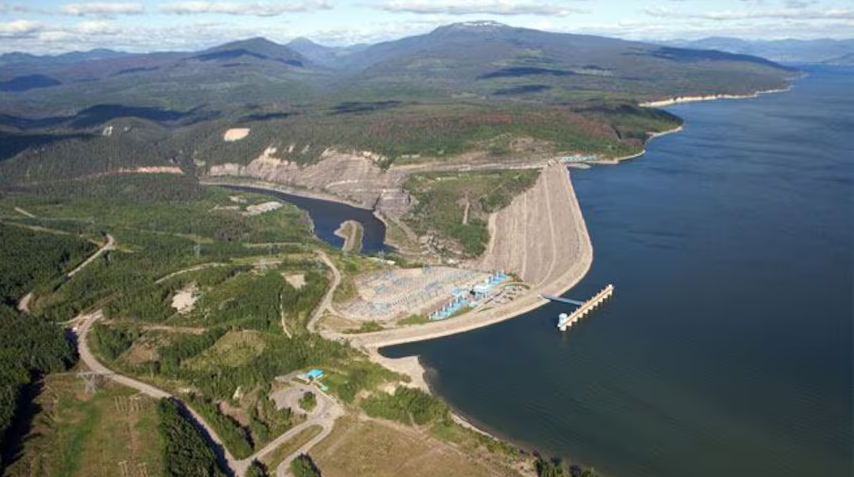
For the first time in several years, B.C. Hydro says it expects British Columbia to return to being a net exporter of electricity, helped by strong snowpack in the parts of the province that matter most for hydro generation.
The improvement comes after multiple drought years that forced B.C. to rely heavily on imported power from Alberta and the United States. This year, however, the outlook is brighter because the province’s biggest reservoir systems are seeing much stronger snow conditions than they did in recent years.
Key hydro regions seeing above-normal snowpack
According to B.C.’s May 1 snow survey and water supply bulletin, snowpack in the Peace region was at 128 per cent of normal, while the Upper Columbia stood at 110 per cent. Those two systems are especially important because they feed the large reservoirs and hydroelectric assets that produce most of B.C.’s electricity.
The contrast with recent years is significant. On February 1, 2025, snowpack in the Peace region was only 79 per cent of normal and the Upper Columbia was at 76 per cent. One year earlier, on January 1, 2025 reporting for the prior season showed even weaker conditions in some areas, reflecting the broader drought strain B.C. Hydro has been dealing with over the past several years.
Reservoir outlook has improved
B.C. Hydro says the combination of stronger snowpack in the north and a relatively mild winter in the Lower Mainland has put major reservoirs in much better shape heading into summer.
That includes the Williston Reservoir near Hudson’s Hope, the largest reservoir in British Columbia, which Hydro expects to be full by the end of June based on current runoff projections, according to the reported comments from spokesperson Bob Gammer. Those conditions are allowing Hydro to forecast that the province will once again have surplus electricity available for export during periods when domestic demand is lower.
Reversal after years of imports
The turnaround is notable because B.C. has recently been a substantial net importer of electricity. The province relied on outside supply during drought years as reservoir levels fell and generation capacity was constrained.
Hydro has said imports reached roughly 10,000 gigawatt-hours in 2023 and climbed to about 13,600 gigawatt-hours in 2024, underscoring how dependent the province became on external markets during the driest stretch. This year’s snowpack recovery in the Peace and Columbia systems is now expected to reverse that pattern, at least on a net basis over the fiscal year.
Still watching summer conditions closely
Even with the improved outlook, the longer-term picture remains uneven across the province. B.C.’s May 1 bulletin says the provincial average snowpack is still below normal overall at 83 per cent, with several southern basins showing elevated drought risk because of low snowpack, early melt and warm weather.
That means B.C. Hydro’s export outlook depends not just on spring runoff, but also on how hot and dry the summer becomes. Recent warm spells have already pushed electricity demand to unusually high levels for May in parts of the province, a reminder that strong reservoir recovery can still be offset by rising summer power use if extreme heat returns.
News
Stay updated with the latest BC news stories, subscribe to our newsletter today.
SUBSCRIBE
© 2026 Innovatory Labs Inc. All rights reserved.
LINKS