
B.C. government backs away again from DRIPA suspension after opposition from First Nations leaders
Emma MacLeod
4/20/20262 min read
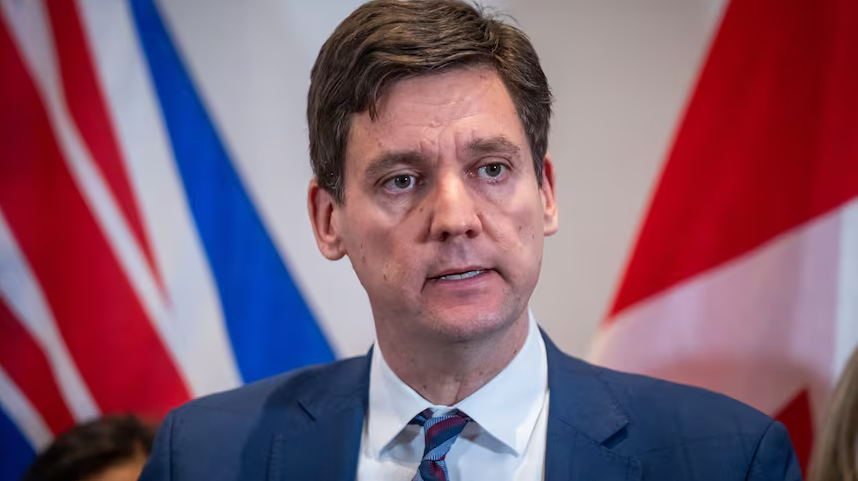
The B.C. government has again backed away from proposed amendments that would have suspended key parts of the Declaration on the Rights of Indigenous Peoples Act, following strong opposition from First Nations leaders and mounting pressure within the legislature.
The Premier’s Office said Sunday evening that the controversial changes will not be introduced during the current legislative session.
The announcement came just hours after a coalition of First Nations leaders released an open letter warning that the amendments were expected to be tabled this week and urging MLAs to reject them.
Premier David Eby is now expected to outline his government’s next steps at a news conference on Monday.
First Nations leaders push back
In its letter, the First Nations Leadership Council said the province was preparing to suspend critical elements of DRIPA despite widespread opposition from First Nations.
The council, which represents the B.C. Assembly of First Nations, the First Nations Summit and the Union of B.C. Indian Chiefs, argued the proposed move had been wrongly portrayed as an urgent response to legal uncertainty.
The group said recent court decisions and the law itself were being misrepresented in public debate, warning that the real risk came not from DRIPA, but from attempts to weaken it through unilateral government action.
The council also said any effort to amend or suspend the act would face a legal challenge.
Law at centre of political and legal debate
Passed unanimously in 2019, DRIPA committed the province to aligning B.C.’s laws with the United Nations Declaration on the Rights of Indigenous Peoples.
But Eby has said a recent court ruling involving B.C.’s mineral claims regime has exposed the province to significant litigation risk, prompting the government to consider changes.
That position has drawn criticism from Indigenous leaders, who argue the law is being unfairly blamed for broader legal and policy problems.
Former B.C. NDP cabinet minister Melanie Mark also publicly urged opposition to the proposed amendments, calling on people to contact their MLAs and defend what she described as a human rights framework.
Government had already paused once
The latest reversal follows an earlier pause by the government last week, after internal dissent emerged over the proposal.
At the time, Eby said opposition from Joan Phillip, the Indigenous leader and NDP MLA for Vancouver-Strathcona, was one of the reasons the legislation was delayed.
He said Phillip had told him she could not support the bill.
Reports of deeper resistance within government also surfaced, with more than 10 NDP MLAs said to have opposed the move during an emergency caucus meeting earlier this month.
Eby had initially indicated the amendments would be treated as a confidence vote, but later stepped back from that position.
Debate over DRIPA likely to continue
While the government has now confirmed the amendments will not be tabled this session, the broader debate around DRIPA appears far from over.
The B.C. Conservative Party has called for the law to be repealed entirely, while First Nations leaders have made clear they will resist any attempt to weaken it.
For now, the province has chosen not to proceed — but the political and legal battle over DRIPA is likely to remain a major issue in British Columbia.
News
Stay updated with the latest BC news stories, subscribe to our newsletter today.
SUBSCRIBE
© 2026 Innovatory Labs Inc. All rights reserved.
LINKS