
B.C. food bank visits surge nearly 80% since 2019, report shows
Emma MacLeod
10/28/20251 min read
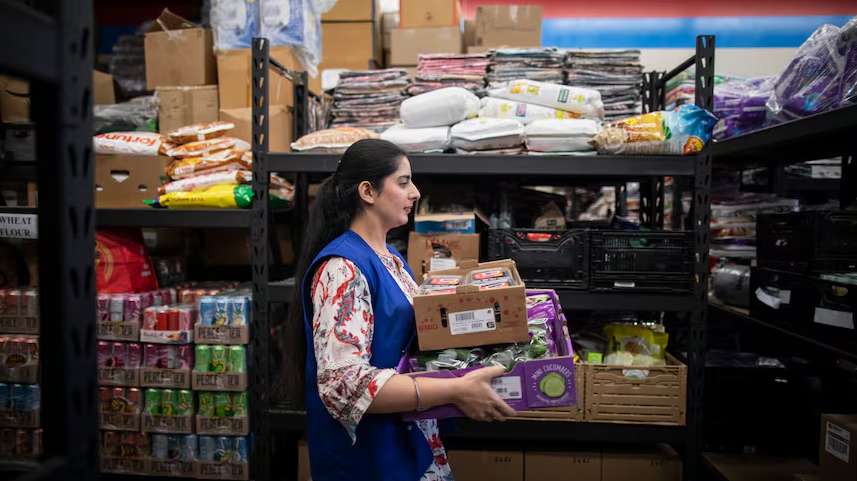
Food bank visits across British Columbia have soared by nearly 80% since before the pandemic, according to a new report from Food Banks Canada, painting a grim picture of affordability challenges in the province.
The organization’s 2025 Hunger Count found that over 223,000 visits were made to food banks in March — a significant increase compared to 2019, even as B.C. saw a slight year-over-year dip.
Almost one in three users were children, while B.C. also has the highest proportion of seniors relying on food banks in Canada.
“We don’t like to think of seniors having to use food banks,” said Kirstin Beardsley, CEO of Food Banks Canada. “Their fixed incomes should be enough for them to pay for essentials.”
The report also highlighted a rise in employed individuals seeking help. “When we look at folks using food banks, the majority are market renters,” Beardsley added. “They’re spending about 70% of their income on rent alone.”
Rising demand and strained charities
In Vancouver, Food Stash Foundation says its in-person market program — which redistributes rescued food — has seen a 10% increase in visitors in just the past year.
“Food banks and programs like ours were never meant to be long-term solutions,” said Anna Gray, the organization’s communications specialist. “They’re Band-Aids. Governments need to fix the root causes — affordability and income inequality.”
Calls for systemic reform
Beardsley said that many Canadians are forced to sacrifice healthy eating as inflation drives up food prices.
“When a quarter of the population is food insecure, we’re not a strong country,” she said.
Food Banks Canada is urging Ottawa to modernize employment insurance to reflect today’s gig and contract-based economy.
The B.C. Ministry of Social Development and Poverty Reduction said it has invested $70 million into food security programs since 2019 and aims to reduce poverty by 60% by 2034 through its provincial strategy.
Still, advocates warn that unless wages and assistance programs keep pace with the cost of living, the crisis will deepen — and food banks will remain overwhelmed.
News
Stay updated with the latest BC news stories, subscribe to our newsletter today.
SUBSCRIBE
© 2026 Innovatory Labs Inc. All rights reserved.
LINKS