
B.C. First Nations Chiefs Push Back at MP Aaron Gunn’s Criticism of Land Acknowledgments
Subhadarshi Tripathy
3/13/20262 min read
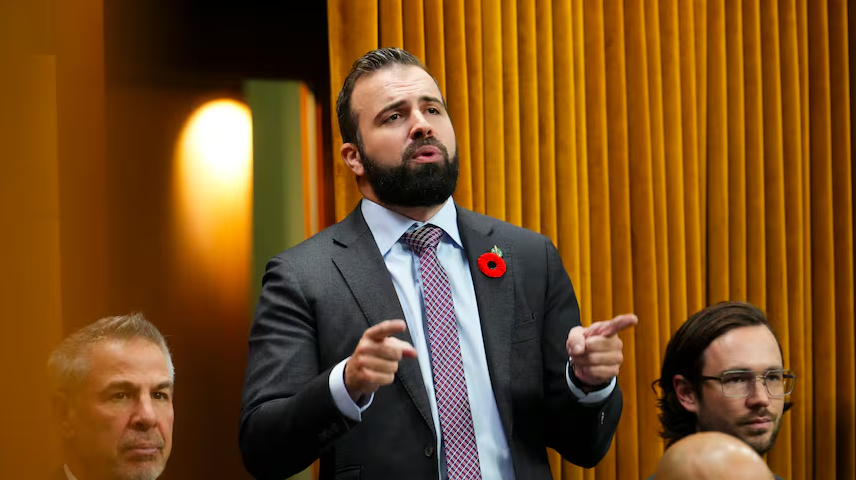
Leaders from four First Nations in British Columbia are pushing back against criticism of land acknowledgments made by Conservative Member of Parliament Aaron Gunn.
In a joint statement released this week, chiefs from the Tla'amin First Nation, Homalco First Nation, K'omoks First Nation and Klahoose First Nation said land acknowledgments are simply a recognition of the history of the territories where events take place.
The chiefs responded with humour to Gunn’s comments, suggesting the practice is far less controversial than critics suggest.
Land acknowledgments, they said, have never resulted in the seizure of private property or affected land ownership in Canada.
“No one is going anywhere,” the chiefs wrote. “Canada will survive the brief moment of honesty.”
Gunn criticizes acknowledgments
Gunn, who represents the riding of North Island—Powell River, had criticized the practice earlier this week in a social media post.
He argued that if the federal government truly believes in private property rights, it should stop making land acknowledgments before official events.
Gunn also said the practice promotes what he described as a “dangerous legal concept” that Canadians live on “stolen land.”
“This is Canada,” he wrote. “One country. For all Canadians.”
First Nations respond
The chiefs said the comments misunderstand the purpose of land acknowledgments, which are intended to recognize the long-standing relationship between Indigenous peoples and their traditional territories.
They also pointed out that the four nations issuing the statement are located within the riding represented by Gunn.
The leaders suggested Canadians should not view the practice as a threat, adding that land acknowledgments simply acknowledge the historical context of the land where events occur.
Debate follows Musqueam agreement
The debate comes shortly after the federal government signed a rights recognition agreement with the Musqueam Indian Band.
The agreement acknowledges that Musqueam has unextinguished Aboriginal rights and title in its traditional territory across parts of Metro Vancouver.
However, the document also clarifies that it does not create or change land ownership, nor does it constitute a treaty or formal land claim settlement.
Political reactions
Gunn later responded to the chiefs’ statement online, saying it was unfortunate that some First Nations were treating what he called a serious political issue lightly.
Meanwhile, Spencer Chandra Herbert said humour can sometimes help defuse tensions in public debates.
He said the chiefs’ suggestion that Gunn should “chillax” was “a kind way” of addressing the disagreement.
Land acknowledgments have become common at government meetings, public events and institutions across Canada as part of broader reconciliation efforts recognizing Indigenous history and territory.
The practice continues to generate debate among politicians and community leaders about its meaning and impact in modern Canadian society.
News
Stay updated with the latest BC news stories, subscribe to our newsletter today.
SUBSCRIBE
© 2026 Innovatory Labs Inc. All rights reserved.
LINKS