
B.C. expands direct liquor delivery for ready-to-drink products, drawing union backlash
Liam O'Connell
5/11/20262 min read
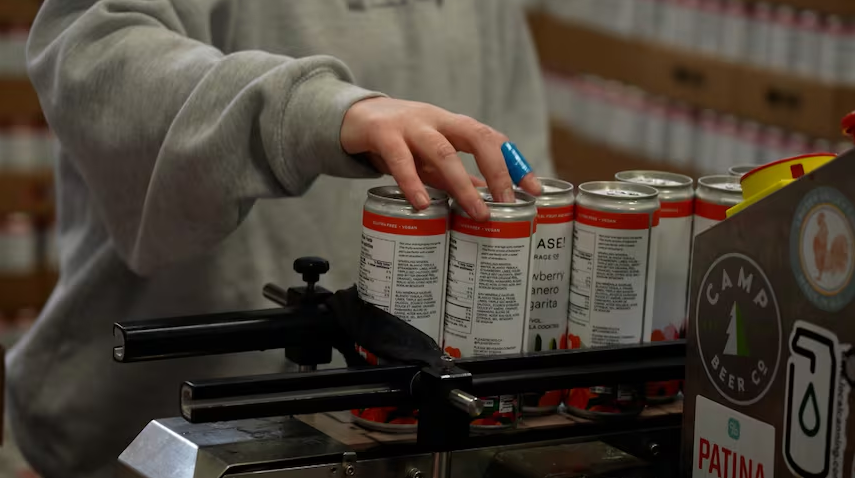
The B.C. government has expanded direct delivery rules for liquor manufacturers, allowing more locally made ready-to-drink products to bypass parts of the traditional public distribution system and go straight to wholesale customers such as bars, restaurants and retailers. The change took effect May 7 and applies to packaged refreshment beverages, including products such as coolers, hard seltzers and pre-mixed cocktails.
Under the updated policy, eligible B.C. manufacturers can now directly deliver these products in the same way direct delivery was already allowed for some other categories. The BC Liquor Distribution Branch says the change is intended to provide more distribution flexibility, not to alter pricing, markups or commissions.
Producers gain more flexibility
According to the BC Liquor Distribution Branch, all new refreshment beverage product registrations from eligible B.C. manufacturers will now be set up for direct delivery instead of being routed through LDB distribution centres. The branch says the goal is to streamline the handling of these products and give manufacturers more flexibility in how they get goods to market.
The updated FAQ also says the change is limited to distribution only. It does not expand what manufacturers are allowed to produce under their licences, and it does not open the door to broader changes for other alcohol categories at this time.
Union warns jobs and public revenue are at risk
The BC General Employees’ Union has strongly criticized the move, calling it a sellout that threatens the public liquor distribution system. In its public response, the union said diverting refreshment beverages away from the public system could put as many as 490 jobs at risk across the Liquor Distribution Branch and BC Liquor Stores.
The union also said the government failed to honour earlier commitments to consult it before making liquor policy changes. BCGEU argues that the public system is performing effectively and said it generated $1.09 billion in net revenue for the province in 2024-25.
Province says public system remains in place
Despite the backlash, the available policy documents from the LDB say the change is limited in scope and framed as a distribution option for specific products rather than a full restructuring of the system. The LDB’s published materials continue to describe the branch as B.C.’s central public distributor and note that no broader pricing or commission changes are part of this update.
The dispute now highlights a larger divide over the future of liquor distribution in British Columbia: manufacturers and some wholesale buyers want greater flexibility and faster product movement, while the union says even targeted changes risk weakening a public system that supports jobs and provincial revenue.
News
Stay updated with the latest BC news stories, subscribe to our newsletter today.
SUBSCRIBE
© 2026 Innovatory Labs Inc. All rights reserved.
LINKS