
B.C. energy minister says northern oil pipeline route is not a realistic option
Olivia Singh
4/22/20262 min read
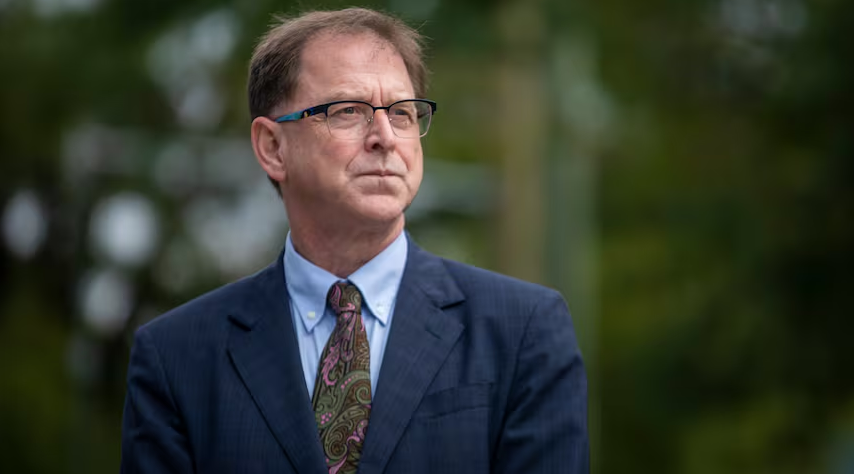
B.C. Energy Minister Adrian Dix says a northern route for a proposed oil pipeline from Alberta to the West Coast is not a realistic option, reinforcing the province’s long-standing opposition to new pipeline development reaching B.C.’s northern coast.
Dix made the comments after a report indicated Ottawa may prefer a southern route for the proposed project, which was recently referenced in a memorandum of understanding signed between Alberta and the federal government.
The project does not yet have a private-sector proponent.
B.C. rejects northern route
Dix said a northern route faces major barriers, including the federal oil tanker ban that has been in place along B.C.’s North Coast for a decade.
He said the restriction exists for important economic and community reasons and remains a central factor in the province’s opposition.
According to Dix, the lack of political and public support also makes the northern option difficult to imagine moving ahead in any serious way.
He suggested the economics are equally challenging, saying there is little indication anyone would be willing to finance such a proposal.
Questions remain over Ottawa’s preferred path
The latest discussion follows reports that federal officials favour a southern route instead of a line reaching the northern coast.
British Columbia has said it was not consulted before Alberta and Ottawa signed the MOU tied to the proposed pipeline.
Under that agreement, Alberta would receive certain exemptions from federal environmental laws, while any new pipeline would need to be privately financed and linked to the development of a major carbon-capture project.
Dix said B.C. is prepared to work with Ottawa as discussions continue, but emphasized the province would rather see existing infrastructure used more effectively.
That includes maximizing available capacity on the recently expanded Trans Mountain pipeline instead of pursuing another major pipeline build.
Alberta still reviewing options
Alberta, however, says it is still reviewing all possible routes.
A spokesperson for Premier Danielle Smith said the province is evaluating practical options as it prepares a submission to the federal Major Projects Office.
The province said it wants any eventual route to be economically viable, socially responsible and respectful of First Nations.
Still, major questions remain about whether a new proposal could attract a company willing to take it on.
First Nations say consent is essential
Terry Teegee, regional chief of the B.C. Assembly of First Nations, said any pipeline proposal — whether northern or southern — would still cross unceded and unsurrendered territory and could not proceed without proper consultation.
He said First Nations were excluded from discussions when the MOU was first signed and stressed that free, prior and informed consent must be respected.
Teegee also questioned whether a new pipeline is financially realistic, pointing to the massive costs associated with past failed projects such as Northern Gateway.
He argued that with economic pressures already weighing on Canadians, there is little appetite for another publicly burdened pipeline project when the country already owns major energy infrastructure.
Debate likely to continue
The renewed discussion around pipelines comes amid heightened concern over energy security, rising fuel prices and broader economic uncertainty linked to global conflict and trade tensions.
Even so, opposition from British Columbia and First Nations suggests that any effort to advance a new oil pipeline westward would face significant legal, political and financial hurdles from the outset.
News
Stay updated with the latest BC news stories, subscribe to our newsletter today.
SUBSCRIBE
© 2026 Innovatory Labs Inc. All rights reserved.
LINKS