
B.C. Delays Heritage Act Overhaul to Expand Consultation With First Nations, Municipalities and Industry
Shraddha Tripathy
1/19/20263 min read
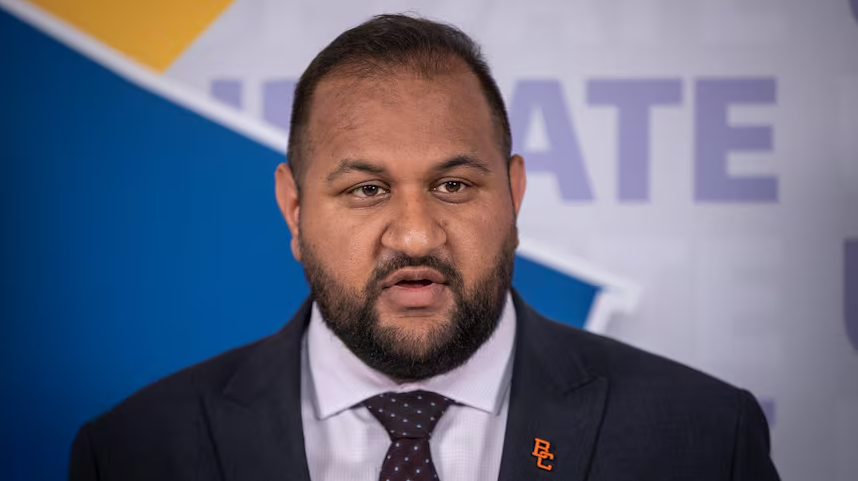

The British Columbia government is putting the brakes on planned changes to the province’s Heritage Conservation Act, signalling that broader consultation is needed before moving ahead with reforms that could significantly affect housing development, municipal permitting, and the protection of culturally significant sites.
Forests Minister Ravi Parmar confirmed the delay this week, saying the government had originally intended to introduce amendments this spring but now believes more engagement is required with First Nations, local governments, industry, and other stakeholders.
“This legislation is incredibly important,” Parmar told Peazzi. “We’re going to take advantage of the engagement British Columbians have already provided and have more direct conversations with the people who will be most affected.”
Extensive Feedback Prompts Reconsideration
The province has already received extensive public input on proposed reforms, compiling hundreds of pages of feedback and thousands of survey responses. Parmar said he and ministry staff spent much of the winter reviewing the submissions, which revealed deep concerns about how changes could impact development timelines, municipal costs, and housing supply.
While the minister said legislation could still be tabled as early as the fall, he stopped short of making any commitments, emphasizing that the priority is to “get it right” rather than rush the process.
“We want to bring forward legislation that creates more efficiency and helps speed up development,” Parmar said. “But it has to be balanced.”
Balancing Rebuilding and Heritage Protection
One of the most sensitive challenges facing the reform is how to reconcile development needs with the protection of archaeological and heritage sites—particularly those of significance to First Nations.
Parmar pointed to communities like Lytton, which was largely destroyed by wildfire in 2021 and continues to face rebuilding delays linked to archaeological assessments.
“Communities like Lytton need to be able to rebuild faster,” he said. “At the same time, we have a responsibility to protect sites that are deeply important to First Nations. Those two things can and should happen together.”
He said Premier David Eby has directed the government to strike that balance—streamlining projects while strengthening heritage protection.
Municipalities Welcome the Pause
Local governments, many of which raised alarms about the original timeline and scope of proposed changes, have largely welcomed the delay.
Cori Ramsay, a Prince George city councillor and president of the Union of British Columbia Municipalities, said municipalities had been asking for deeper consultation.
“I’m glad to see the province taking more time to engage with local government and industry,” Ramsay said. “That’s something we’ve been calling for.”
Ramsay said municipalities broadly support the goal of preserving B.C.’s shared heritage and recognize the unique role First Nations play in that work. However, she warned that earlier versions of the proposed reforms lacked balance.
“The proposed changes did contain risks for homeowners and the private sector,” she said, noting that municipalities are often responsible for issuing permits and managing the practical impacts of provincial legislation.
Housing, Costs and Legal Risk
Reform of the Heritage Conservation Act began in the summer of 2022, but concerns from municipalities and industry led the province to extend the deadline for submissions until November 14, 2025. Critics argued that some proposals could slow housing construction, increase costs, and expose municipalities to legal uncertainty.
Ramsay said local governments agree the legislation needs reform, but stressed that any changes must reflect the realities faced by cities tasked with approving housing and infrastructure projects.
“It’s so important to get this right the first time,” she said. “That may take a little extra time, but the alternative is far worse—legal challenges, damaged relationships, and more uncertainty down the road.”
Alignment With Indigenous Rights Law
One of the stated goals of reforming the act is to better align it with B.C.’s Declaration on the Rights of Indigenous Peoples Act (DRIPA), a framework that has drawn political and public scrutiny in recent months.
When asked whether the delay was intended to avoid the optics of advancing DRIPA-aligned legislation amid controversy, Parmar rejected that suggestion.
“I wouldn’t agree with that perception at all,” he said. “I’m very clear in my support for getting First Nations involved in this process.”
He added that industry groups have also asked for a stronger role in shaping the legislation, and that the pause is intended to ensure all perspectives are meaningfully reflected.
Acknowledging a Broken System
Despite differing views on how to proceed, Parmar said there is broad consensus that the current Heritage Conservation Act is outdated and ineffective.
“Everyone agrees the legislation is broken,” he said. “The challenge—and the opportunity—is to modernize it in a way that protects heritage while allowing communities to grow.”
For now, the government says it is focused on deeper consultation rather than firm timelines. While that leaves uncertainty for developers and municipalities in the short term, provincial officials argue that a slower, more inclusive approach will ultimately result in legislation that is clearer, fairer, and more durable.
As the province weighs its next steps, the delay underscores the complexity of reconciling reconciliation, heritage protection, and housing urgency in a rapidly growing British Columbia.
News
Stay updated with the latest BC news stories, subscribe to our newsletter today.
SUBSCRIBE
© 2026 Innovatory Labs Inc. All rights reserved.
LINKS