
B.C. cities say millions in housing and social costs are being shifted onto local taxpayers
Liam O'Connell
1/5/20262 min read
Municipalities across British Columbia say they are increasingly being left to absorb the costs of housing, public safety and social challenges that were traditionally the responsibility of senior governments — and some cities are now putting dollar figures to that claim.
Local officials argue that this “downloading” of responsibilities is stretching municipal budgets thin, leaving fewer resources for core services such as roads, parks, libraries and community centres.
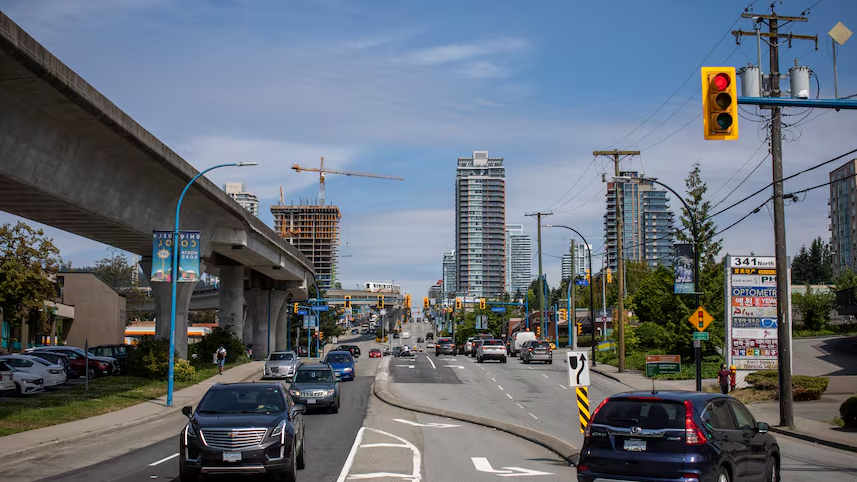
In Coquitlam, a city of roughly 150,000 people, staff estimate provincial downloading cost the municipality $37.6 million between 2021 and 2024. A report presented to council in November says that amount is equivalent to an 18 per cent cumulative property tax increase over four years.
“Our dollars are stretched doing our job,” said Coun. Robert Mazzarolo during council debate. “The money that we already can get is barely enough to take care of what we are already obligated to do.”
Coquitlam says the added costs include higher spending on RCMP policing and fire rescue linked to gaps in mental health and housing supports, declining provincial contributions for libraries, climate adaptation requirements, and direct investment in affordable housing. The city reports spending roughly $17 million on housing projects and another $1.55 million responding to calls linked to a provincially run mental health and addiction facility.
Other municipalities report similar pressures.
In Kamloops, officials calculated $13.1 million in downloaded costs in 2024 alone, with an additional $122 million in potential future liabilities if the city becomes responsible for orphaned dikes and inherited dams. Kamloops also cited higher emergency response costs related to the toxic drug crisis and new regulatory requirements, including upgraded traffic safety equipment mandated by updated provincial standards.
Vancouver previously estimated more than $350 million in downloaded costs, while Penticton reported $4.6 million in additional public safety costs tied to provincial responsibilities between 2019 and 2023. In Victoria, councillors have even discussed billing the province for grants tied to homelessness services delivered locally.
Not all municipalities agree with the approach. In New Westminster, council rejected a proposal to calculate downloaded costs, with one councillor arguing the numbers would be subjective without a clear, shared definition of what qualifies as downloading.
Provincial officials, however, dispute the idea that municipalities are being left without support. The B.C. Ministry of Municipal Affairs points to a $1-billion one-time infrastructure grant for local governments, $51 million to help implement new housing legislation, and ongoing climate funding through the Local Government Climate Action Program.
Ottawa, for its part, has pledged tens of billions of dollars over the next decade to improve local infrastructure, though some funding streams will require provinces to match contributions and reduce development-related fees.
Municipal advocates say the debate highlights a deeper structural problem.
Rebecca Bligh, president of the Federation of Canadian Municipalities, says cities have become the front line for housing, health, mental health and addiction issues — without the revenue tools to match.
“Municipalities are nation builders,” Bligh said, noting that cities own and manage roughly 60 per cent of Canada’s public infrastructure. “But our revenue system dates back to Confederation.”
The federation is calling on the federal government to modernize municipal funding by indexing transfers to population growth and GDP, and by giving cities greater flexibility in how funds can be used — arguing that without reform, the financial strain on local governments will only deepen.
News
Stay updated with the latest BC news stories, subscribe to our newsletter today.
SUBSCRIBE
© 2026 Innovatory Labs Inc. All rights reserved.
LINKS