
B.C. Cancer Moves to Integrate Exercise Into Treatment Plans at Diagnosis
Olivia Singh
2/17/20262 min read
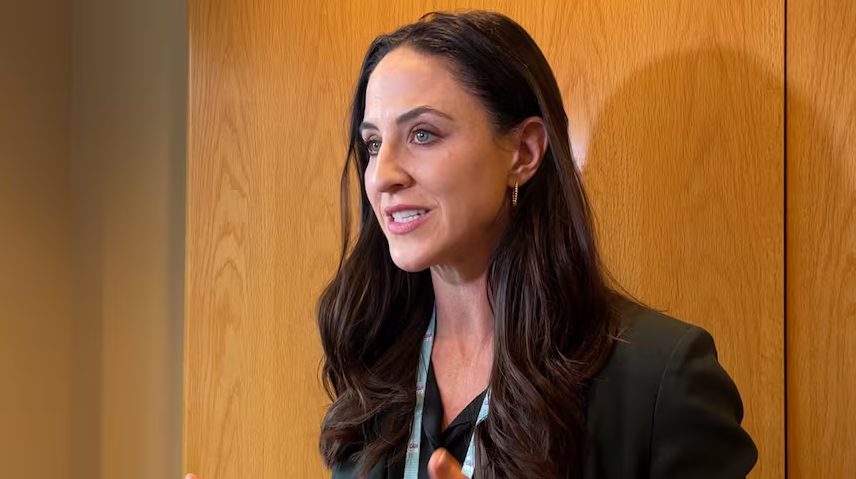
B.C. Cancer is working to make exercise and rehabilitation part of cancer care from the earliest stages of diagnosis, with a new program in Kelowna leading the way.
Dr. Lauren Capozzi, the organization’s first cancer physiatrist, is spearheading an initiative that integrates rehabilitation specialists into patients’ care plans as soon as they are diagnosed.
Capozzi’s program brings together physiotherapists, occupational therapists, dietitians, and speech-language pathologists to collaborate as a coordinated team.
“Having that integrative team is essential,” Capozzi said. “When we’re all on the same page, we can optimize the care plan for that patient.”
The program, which launched in September, is available through referrals from primary care physicians. In its first five months, it has received approximately 100 patient referrals. The initiative is part of a broader effort to expand cancer physiatry services across the province.
What is prehabilitation?
Capozzi says the approach centers on “prehabilitation” — preparing patients physically and functionally before treatment begins.
Traditionally, many people associate rehabilitation with the period after chemotherapy, radiation, or surgery. But prehabilitation aims to build strength, manage pain, and improve overall conditioning before and during treatment, which can lead to better long-term outcomes.
“It’s a misconception that rehabilitation starts only after treatment ends,” Capozzi said. “Starting earlier can help patients recover more quickly and return to the activities they value.”
Exercise can range from structured strength training to simple activities like brisk walking several times a week, depending on the patient’s condition and needs.
Evidence supporting exercise in cancer care
Recent research has reinforced the benefits of exercise for certain cancer patients.
A study published last year in the New England Journal of Medicine found that patients with colon cancer who participated in a structured exercise program experienced improved survival rates. Seven years after diagnosis, about 90 per cent of participants in the exercise group were still living — a significant improvement compared to those who did not follow the structured regimen.
Capozzi says findings like these are helping shift the way cancer care is delivered.
“Exercise is becoming a very important part of comprehensive cancer care,” she said.
A province-wide vision
Capozzi hopes British Columbia can become a leader in embedding rehabilitation and exercise into standard oncology treatment plans.
Her team is already exploring ways to expand the Kelowna model to other regions of the province, particularly as demand for supportive cancer care grows.
By integrating physical rehabilitation early in the treatment journey, B.C. Cancer aims not only to improve quality of life but potentially long-term survival — making movement part of medicine from day one.
News
Stay updated with the latest BC news stories, subscribe to our newsletter today.
SUBSCRIBE
© 2026 Innovatory Labs Inc. All rights reserved.
LINKS