
B.C. Budget Debate Intensifies as Tumbler Ridge Tragedy Renews Calls for Mental Health Investment
Emma MacLeod
2/17/20262 min read
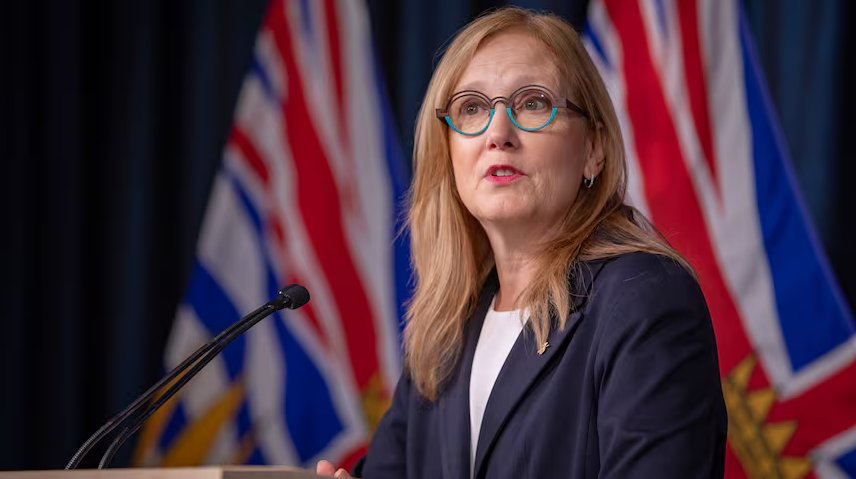
As British Columbia’s finance minister tables the provincial budget, renewed attention is being placed on mental health services in the wake of the mass shooting in Tumbler Ridge.
The Feb. 10 tragedy, which claimed eight lives — six of them children — has shaken the province and prompted questions about whether rural communities have adequate access to mental health care.
“Well before this tragic incident, I’ve called for sustained, multi-year core funding for community-based mental health care,” said Jonny Morris, CEO of the Canadian Mental Health Association’s B.C. division.
The shooter, who died from a self-inflicted gunshot wound, had previously experienced mental health challenges that brought police to the family home multiple times.
Local leaders say the incident has underscored existing service gaps in northern and rural regions.
Tumbler Ridge Mayor Darryl Krakowka said communities like his have long struggled with shortages of doctors, nurses, and mental health professionals.
“It’s one thing we know as elected officials — we are short on mental health counselling,” Krakowka said.
Rural inequities in focus
Claire Rattee, B.C. Conservative mental health critic and MLA for Skeena, said smaller communities do not receive the same level of access to mental health supports as larger urban centres.
“I represent small rural northern communities and have been saying this for a long time — we do not get the same level of access,” Rattee said.
Morris emphasized that the solution requires long-term planning rather than reactive measures tied to a single event.
“It requires a strategic, big-picture lens,” he said. “This is health care. It’s life-saving health care when funded adequately.”
The province faced similar calls for expanded mental health funding following another mass-casualty event last year. Advocates say repeated tragedies demonstrate the need for systemic investment rather than temporary responses.
Independent MLA Elenore Sturko said the province cannot delay action.
“We can’t wait another day. We need action now,” she said.
Budget pressures mount
These demands come as the province confronts a projected $12-billion deficit, which has grown steadily in recent years.
Finance Minister Brenda Bailey has warned that the upcoming budget will be difficult, raising concerns among sectors such as health care, education, and child care about potential spending constraints.
Premier David Eby has pledged to reduce the deficit while protecting core services, including health care and education. Health spending accounts for roughly 40 per cent of the provincial budget, while public sector labour costs represent about 60 per cent of overall expenditures.
The government has already reduced some public service positions and signaled efforts to control administrative costs. At the same time, collective bargaining agreements with major public sector unions — including a recent 12 per cent wage increase over four years for B.C. General Employees Union members — are shaping fiscal planning.
Former finance minister Mike de Jong has criticized the government’s deficit management, arguing that long-term debt growth has limited flexibility.
Meanwhile, economist Iglika Ivanova of the B.C. Policy Solutions think tank says the province faces a fundamental choice between austerity and investment.
“Public services are not a luxury you can cut when the economy slows,” she said. “They’re fundamental to affordability.”
Ivanova added that rural communities already experience inequities in access to care, pointing to emergency room closures and patients waiting for hospital beds.
As the budget is unveiled, advocates say they will be watching closely for signals that mental health funding — particularly in underserved regions — is treated not as a discretionary expense, but as a core public service.
News
Stay updated with the latest BC news stories, subscribe to our newsletter today.
SUBSCRIBE
© 2026 Innovatory Labs Inc. All rights reserved.
LINKS