
B.C. bitcoin mines shift to AI as province restricts new crypto projects
Subhadarshi Tripathy
12/1/20252 min read
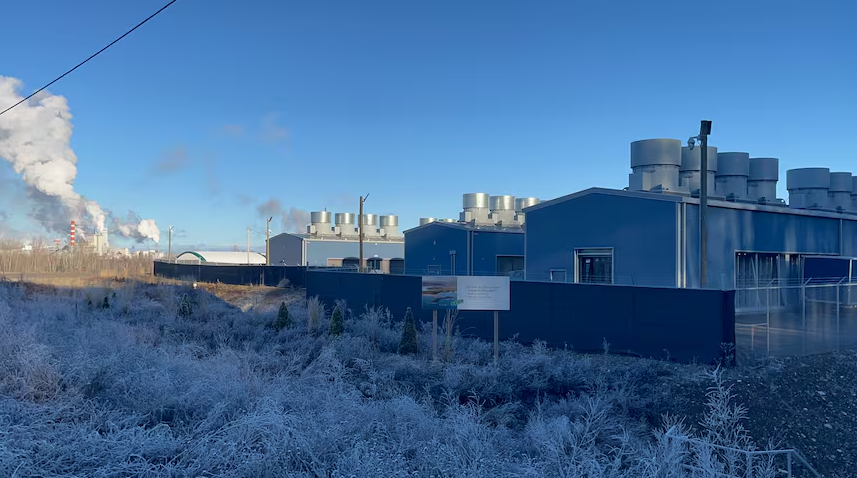
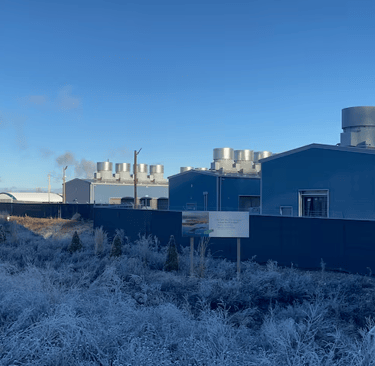
A company that once ran some of British Columbia’s largest bitcoin-mining operations is reinventing itself as an AI powerhouse.
Iren — an Australia-based firm with major facilities in Prince George, Mackenzie and Canal Flats — has begun transforming its crypto-mining sites into AI data centres, taking advantage of the same electricity-heavy infrastructure that once powered racks of bitcoin miners.
The shift has sent Iren’s stock soaring, rising 350 per cent and pushing its valuation to US$13 billion.
From crypto halls to AI clusters
Iren’s chief commercial officer, Kent Draper, says the company intentionally built its sites with flexibility in mind.
“Today at our Prince George site, we literally have Bitcoin miners running in the very same data halls that we have AI servers running,” Draper said.
The company’s 50-megawatt Prince George facility began offering AI computing about 18 months ago. As upgrades continue — including installing thousands of high-demand GPUs — the site is expected to become fully dedicated to AI workloads.
Iren is also upgrading its 80-megawatt Mackenzie site and its facility in Canal Flats.
Draper says the transition will bring more permanent jobs than crypto mining ever did. Iren currently employs about 60 people between Prince George and Mackenzie and plans to triple its workforce, plus hire roughly 100 construction workers during peak expansion.
Why B.C.? Hydropower and cold weather
Draper said Iren first chose northern B.C. because of its hydroelectric supply, once used by pulp and paper mills, and the region’s cold climate, which helps cool data centres without water-intensive systems.
But the landscape has changed.
Province tightens rules on AI and crypto
In October, the B.C. government introduced new power-allocation rules that prioritize electricity for natural resource projects. Under the new system:
AI data centres must bid for power.
Only 300 megawatts of power total will be available for AI projects over two years.
Other data centres will share a pool of 100 megawatts.
B.C.’s temporary ban on new cryptocurrency connections is now permanent.
The goal, the province says, is to ensure electricity goes to projects that align with broader economic benefits such as jobs, regional development, and long-term growth.
Experts say the shift makes sense
Kate Harland, a clean-growth researcher at the Canadian Climate Institute, says the new model was needed as demand for electricity spikes.
“The old system was ‘first come, first served,’” she said. “There wasn’t necessarily local economic benefit coming from crypto mining.”
Harland says AI data centres offer stronger benefits than crypto operations — from tech infrastructure to long-term employment.
Iren plans to keep growing — with limits
Draper acknowledges the new rules mean Iren can’t expand bitcoin mining, but says the company had already committed to moving into AI.
“Whenever governments determine allocation of resources rather than markets, it generally produces less efficient outcomes,” he said. “But we’ll keep expanding in B.C. within the regulatory restraints.”
Upgrades at Iren’s B.C. sites will continue into next year as the company positions itself at the centre of Canada’s rapidly growing AI infrastructure sector.
News
Stay updated with the latest BC news stories, subscribe to our newsletter today.
SUBSCRIBE
© 2026 Innovatory Labs Inc. All rights reserved.
LINKS