
B.C. Attorney General ‘deeply disturbed’ by X’s challenge to intimate image removal order
Olivia Singh
11/14/20252 min read
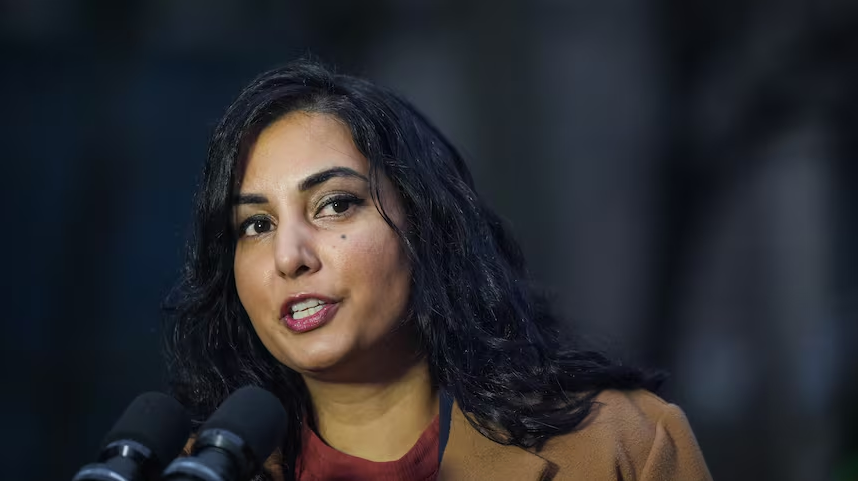
British Columbia’s Attorney General Niki Sharma says she is “deeply disturbed” that social media giant X is challenging a provincial order requiring it to globally delete a non-consensual intimate image from its platform.
The dispute stems from a ruling issued by B.C.’s Civil Resolution Tribunal (CRT), which ordered X Corp. to remove an intimate image belonging to a transgender complainant in B.C. The image was posted without the individual's consent — a clear violation of B.C.’s Intimate Images Protection Act, which came into force earlier this year.
X complied only partially, using geo-blocking to prevent Canadian users from seeing the image, but leaving it accessible elsewhere. The tribunal ruled that this fell far short of the law’s requirements and imposed a $100,000 penalty on the company in September for refusing to remove the image globally.
X argues global orders violate sovereignty and free speech
In a petition filed in B.C. Supreme Court, X Corp. asked the court to overturn the fine, arguing that a global deletion order would:
undermine the sovereignty of foreign nations,
threaten free expression worldwide, and
set a precedent allowing authoritarian governments to force global takedowns.
X claimed that if such global orders stand, foreign governments could hypothetically demand removal of political speech — including statements from a Canadian prime minister — across the entire platform.
“The internet [could end up showing] only content allowed by the most restrictive country in the world,” the petition says.
The company insists that global compliance would set a “dangerous precedent” and legitimize censorship by authoritarian regimes.
Complainant calls X’s challenge an abuse of process
The complainant, whose identity is protected due to the sensitive nature of the case, has filed a response calling X’s legal challenge:
an abuse of process, and
a collateral attack on a lawful tribunal order.
They argue that allowing geo-blocking instead of deletion would make the law ineffective and leave survivors vulnerable.
Attorney General Sharma: ‘Survivors deserve real protection’
Attorney General Niki Sharma said the province will formally join the case to defend B.C.’s legislation.
“Under B.C. law, these images must be removed when ordered to do so, without exceptions,” Sharma said.
“Blocking access only within our borders is not enough. Survivors deserve real protection, not half measures.”
Sharma said the case is critical to ensuring the province’s new protections for intimate images have real force.
Broader context: platforms under pressure
X — formerly Twitter — is already facing scrutiny in Canada, with several municipalities and major brands withdrawing from the platform over concerns about extremist content and reduced moderation.
This case will likely set an important precedent for:
how far provincial tribunals can go in regulating global social media platforms,
whether platforms must comply with worldwide takedown orders, and
how Canada’s online safety and intimate-image laws are enforced across borders.
A B.C. Supreme Court hearing date has not yet been set.
News
Stay updated with the latest BC news stories, subscribe to our newsletter today.
SUBSCRIBE
© 2026 Innovatory Labs Inc. All rights reserved.
LINKS